Your Four-Year Career Plan

Nest to Next is a four-year roadmap that empowers students to take intentional steps each year at KSU. Whether you want a quick next step or a detailed plan, you’ve got options. Use the quick links for key career resources, or dive into the milestones for a deeper look at what to focus on each year. 

Year One

Goal: Build a foundation for your future by forming meaningful connections and engaging in self-discovery to find the major that aligns with your goals and strengths.

    1. Begin with self-assessment:
      Identify your strengths, interests, and values using tools like the Focus2 career assessment. Utilize our additional Key Resources to learn more about potential majors and career paths.
    2. Receive your custom personality report:
      SteppingBlocks is a unique resource that provides a custom personality report and data on your major and career matches.
    3. Meet with a Career Consultant:
      Attend a career exploration appointment for personalized guidance to clarify your goals, review your self-assessment results, and explore majors.
    4. Explore beyond the Classroom:
      Go on an Owl Trek Site Visit or participate in field experiences to see careers and workplaces in action.
    5. Map your path:
      If you are undeclared, meet with OwlAdvising to ensure you are registered for the right courses.
    1. Establish your online presence: Create a Handshake account, and use this to explore companies, jobs, and organizations in your fields of interest. Review all of your social media profiles to ensure your online presence reflects your professional goals.
    2. Craft a Resume and Cover Letter: Begin developing a resume/ cover letter and use the Career Guidebook to guide you through the writing process.
    3. Build your professional wardrobe: Start assembling versatile, career-ready attire to prepare for interviews, networking events, and career fairs. OwlSwap provides free professional clothing to KSU students.
    4. Focus on academic success: Your GPA may impact acceptance into academic programs at KSU, internships, and job eligibility—develop strong study habits and utilize campus-resources focused on helping you succeed: Academic Success Coaching  and KSU tutoring.
    1. Get involved: Attend programs, workshops, and events through OwlLife. This is a great way to explore your interests and make connections! 
    2. Engage with your KSU Community: Connect with your class-year community and explore events and opportunities through the FLIGHT program.
    3. Begin Networking: Seek out conversations with professors and potential mentors to discuss your major and career interests. Seek advice and build relationships through programs like the KSU Odyssey Peer Mentoring Program open to all first year and transfer students.
    4. Stay informed: Follow our Instagram and LinkedIn to keep up with career events and announcements!

Year Two

Goal: Narrow your career interests, choose or confirm a major, and begin building skills and experiences aligned with your goals.

    1. Reflect on your Freshman Year: Did you enjoy your courses? Did you struggle in class? Have your interests shifted? Are you thinking of changing your major? Meet with a Career Consultant to ensure that you feel confident in your choice of major and career direction.
    2. Gain new experiences: Consider participating in a study abroad program  or research opportunity  to expand your knowledge, perspective, and make connections. 
    3. Research Careers: Use the Occupational Outlook Handbook to learn about careers, job outlook, salary expectations, and the education needed to reach your goals.
    1. Build your professional profile: Create a LinkedIn account utilizing our LinkedIn Profile Template. Begin connecting with individuals in areas of interest, interact with posts, and browse job opportunities.
    2. Practice your interview skills: Conduct mock interviews with a mentor and/or career advisor to build your confidence and improve your communication skills. Use the BigInterview platform to practice your interview skills through industry specific example questions.
    3. Conduct informational interviews: Gain firsthand insight into careers by talking with professionals in industries of interest. Use this collection of questions as a guide:  Informational Interview Questions.
    4. Update and refine your resume and cover letter: Tailor your documents to reflect new skills, experiences, and career interests. Use our database of Resume examples to create the right document for your major, and seek feedback in a resume review appointment.
    1. Attend a Career and Internship Fair: Begin making connections with employers through networking events. View our current fair schedule and uncover the range of opportunities available in your areas of interest: Career and Internship Fairs.
    2. Volunteer: Utilize GivePulse to view volunteer and service opportunities that can expand your network and help you to gain real-world experience that looks great on your resume! 
    3. Stay involved on campus: Continue participating in programs, clubs, and events that connect you with peers and professionals: KSU student groups.

Year Three

Goal: Gain hands-on experience, strengthen professional skills, and prepare for internships, graduate school, or full-time work.

    1. Refine your Career Direction: Use What Can I Do With This Major?  to discover career focus areas and the many opportunities available within your major. Identify at least 3 specific roles of interest and reflect on how those roles align with your skills, interests, and long-term goals.
    2. Prepare for graduate or professional school: If you are planning to attend graduate school, explore which entrance exams you will need to prepare for (GRE, MCAT, LSAT, GMAT, etc.), seek recommendations from professors early, and use campus resources such as the KSU Writing Center to strengthen application materials.
    3. Develop a focused job search strategy: Identify preferred job boards, review job descriptions, and clarify the qualifications, skills, and experiences employers are seeking.
    4. Accelerate Your Education: Explore Double Owl Pathways  to see if your major offers an accelerated path to a graduate degree.
    1. Practice telling your story: Continue to participate in mock interviews and work on developing an elevator pitch to confidently communicate your interests, experiences, and goals in professional settings. 
    2. Expand Your Career Knowledge: Attend workshops  throughout the year to explore careers, build professional skills, and prepare for your next opportunity.
    3. Refine your Resume and Cover Letter: Ensure application materials are kept up-to date with your most recent projects, courses, and experience. Tailor these documents to the company and roles you are applying to, you may have several versions of your resume. 
    4. Gain relevant experience & seek academic credit for this work: Apply to internships, research, part-time work, volunteering, or summer experiences that align with your career interests and major. Meet with an Experiential Education Advisor to learn more about the process of getting academic credit before you start your new role. 
    1. Engage with employers: Participate in career fairs on campus and in the community, attend employer information sessions, research organizations, and attend college-specific career events (Diamond Day, Coles Career Fairs).  
    2. Use Handshake strategically: Log in regularly to explore internships, part-time roles, and events with companies of interests. RSVP for Career Planning and Development Events (Employer panels, workshops, and fairs) through Handshake.
    3. Turn involvement into experience: Use OwlLife to step into leadership roles, organize events, and gain experiences you can highlight in interviews and on your résumé.

Year Four

Goal: Turn your college experiences into a clear next step by securing a job, internship, or graduate school plan after graduation.

    1. Finalize your post-graduation direction: Confirm whether you are pursuing employment, graduate/professional school, or another pathway—and map out next steps. Meet with a Career Consultant if you need assistance exploring job opportunities and how to best prepare yourself to submit applications.
    2. Research employers and programs intentionally: Review company websites, graduate programs, and industry trends to ensure your applications align with your interests, values, and long-term goals before you apply!
    3. Expand your qualifications: Explore certificates in areas like business, technology, healthcare, project management, and more to strengthen your résumé and support your career goals: Community and Professional Education.
    1. Use a structured plan and prepare references: Create a spreadsheet to track each position for which you applied, remember interview schedules, and coordinate follow-up communications. This will keep you organized as you apply. Confirm 3–5 professional and/or academic references, provide them with your résumé, and maintain communication throughout the process.
    2. Complete graduate school applications (if applicable): Take required entrance exams, submit applications on time, request transcripts, and have essays reviewed by the Writing Center.
    3. Consider building an ePortfolio: Create a professional portfolio that showcases your projects, experiences, and accomplishments: ePortfolio Resources.
    4. Strengthen and practice interview skills: Review practical interview tips and review examples of frequently asked interview questions to prepare thoughtful responses: Interview Tips & Standard Interview Questions.
    5. Negotiate with confidence: Learn strategies for researching salaries, evaluating job offers, and professionally discussing compensation and benefits: Salary Negotiation Guide.
    1. Engage directly with employers & alumni: Make connections through career fairs Handshake events, and alumni pages.
    2. Stay connected after graduation: Follow Career Planning and Development on LinkedIn to stay informed about career events, alumni resources, networking opportunities, and professional development available to KSU graduates.
    3. Finish strong and celebrate: Stay involved in campus organizations, share your next steps, earn your degree, and confidently transition into your next chapter.  You did it!


Nest to Next: One Step Closer to Your Career

architecture student poses with a model
a student teacher works at her desk
Two healthcare students pose during a practical
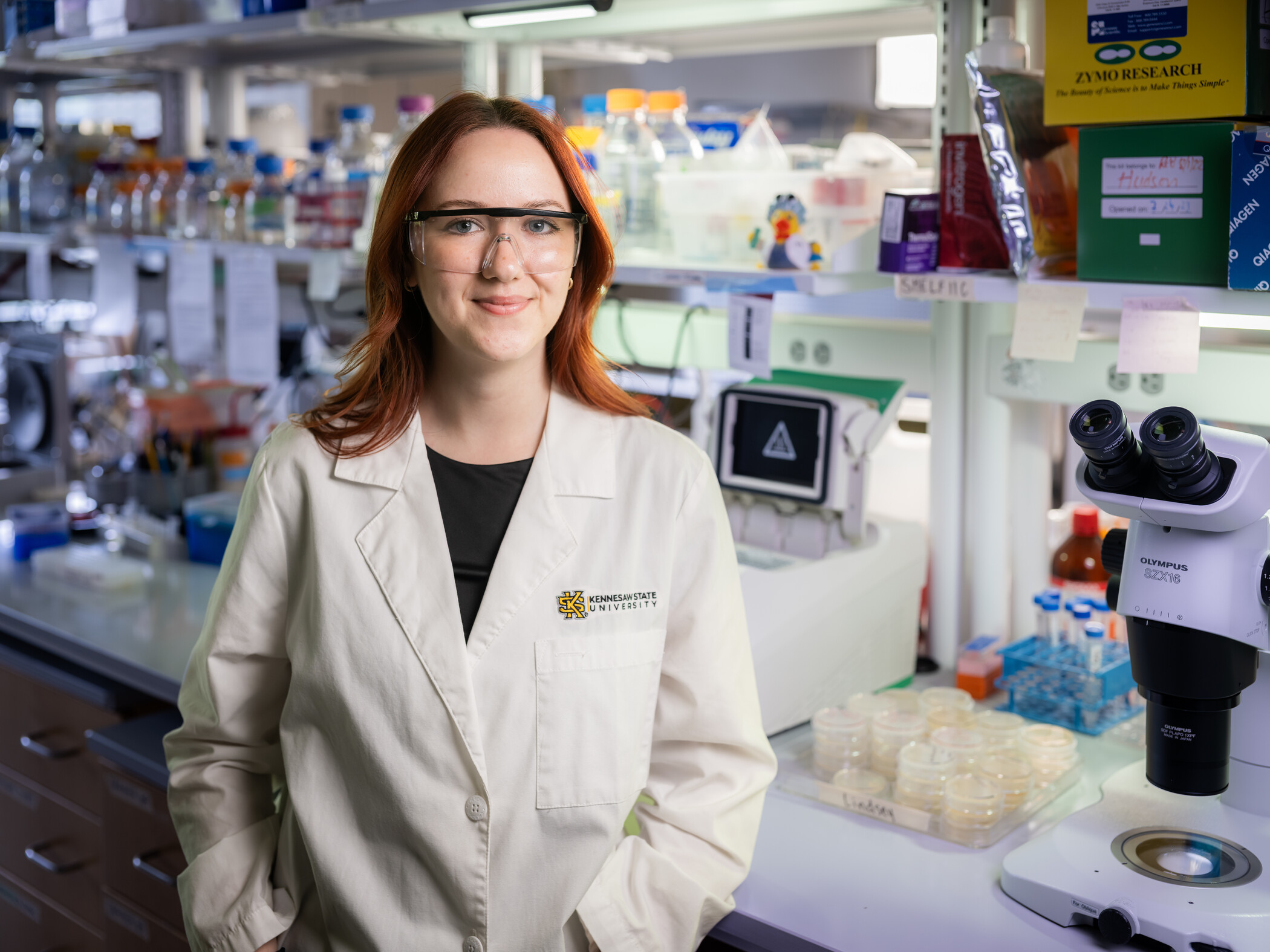
a science student poses with her lab equipment