MOVE Center

The MOVE Center at Kennesaw State University is dedicated to advancing interdisciplinary research and innovation in rehabilitation and assistive technologies by bringing together faculty expertise across engineering, health sciences, computing, and related fields.

Our mission is to support the development of impactful solutions that can improve mobility, health, and quality of life for individuals and communities.

Events 

2026 GT NSF SUSMED/Move Center Joint Workshop

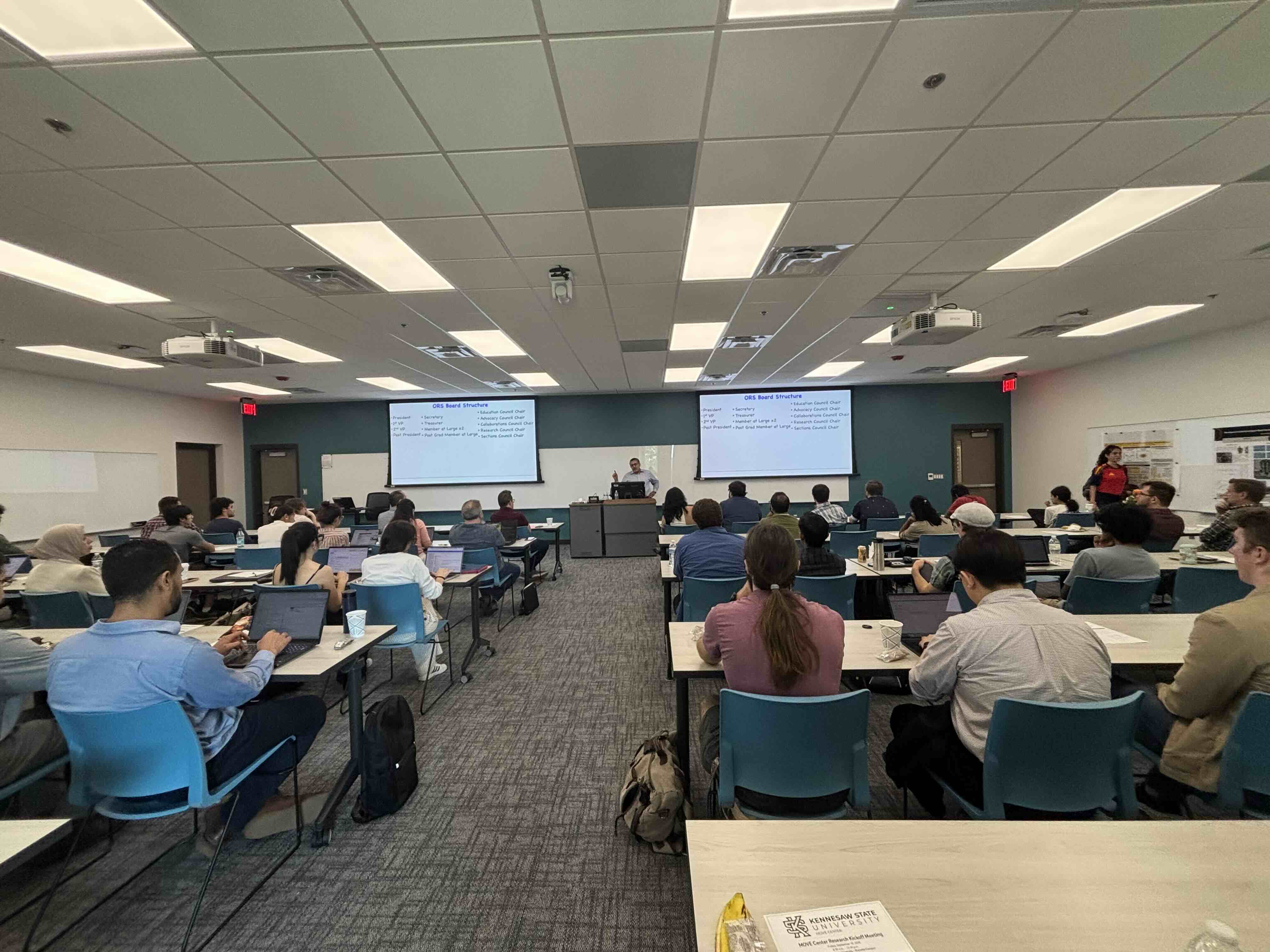
We had a fantastic turnout and engagement at the joint workshop with Georgia Tech, with more than 130 attendees. It was truly energizing to see the level of participation, collaboration, and student involvement. Special thanks to Dr. Karin Scarpinato for the welcoming talk and Dr. Mark Geil for his great talk.

We are especially proud of all our students:

Vanessa Young – 2nd Best Oral Presentation. Supervisor: Ayse Tekes
Anurag Ovi – 3rd Best Oral Presentation. Supervisor: Paul Lee
Connor Talley – Best Poster Award. Supervisor: Ayse Tekes

This is exactly the kind of student-driven success that defines MOVE.

click here to view more updates

Leadership

ayse tekes

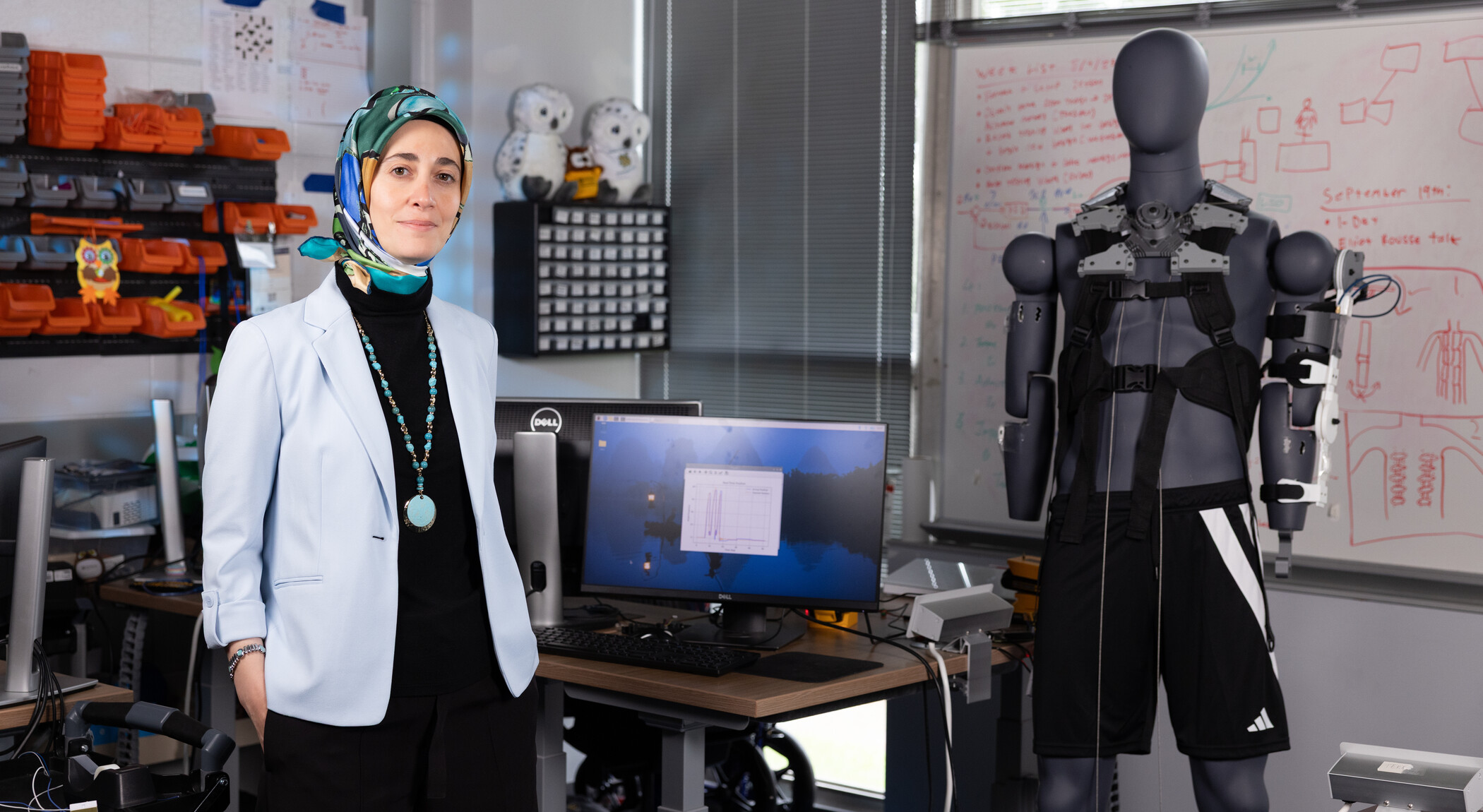
Dr. Ayse Tekes

Interim Director

Dr. Ayse Tekes is an Associate Professor in Mechanical Engineering at Kennesaw State University. Her research explores the design, development, and modeling of soft robots and flexible machines, in addition to engineering education and the development of lab equipment and AI-powered virtual labs.

Before arriving at KSU, Dr. Tekes earned her Ph.D. from Istanbul Technical University in Istanbul, Turkey and served as a postdoctoral researcher at Georgia Institute of Technology.

contact


In the News

Kennesaw State’s MOVE Center aims to redefine the future of human mobility

To further investigate how people move, recover, and live, Kennesaw State University’s Office of Research recently established the MOVE Center, focused on rehabilitation and assistive technologies like soft robotics and artificial intelligence.

The MOVE Center’s research is organized into four primary focus areas: rehabilitation robotics and assistive devices, neural interface technology, mobility science and human performance, and digital health and data-driven diagnostics. These areas include work on prosthetics and orthotics, upper- and lower-limb exoskeletons, soft robotics, and rehabilitation robotics.

read more
tekes with student