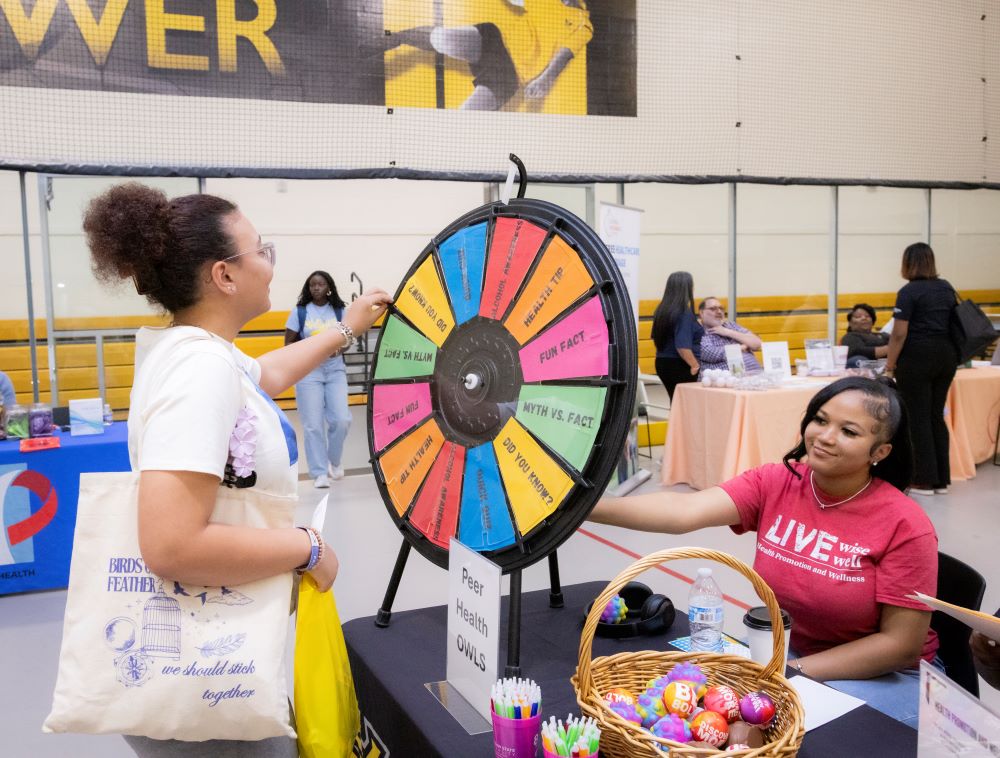
The Peer Health Education Program is designed to improve the health and well-being
of KSU students and the campus community through peer education. The Peer Health Outreach
and Wellness Leaders (OWLs) are students who are trained and certified to give health
presentations on the following topics:
Alcohol Awareness
Sexual Health
Stress Management
The program also provides a variety of health-related outreach programs and activities
for KSU students.
Get Involved
Get Involved
Peer Health Outreach and Wellness Leaders (OWLs) are students who are trained and
certified in developing, implementing, and evaluating health education programs for
their peers.
The Peer Health OWLs provide FUN interactive programs for students in classroom settings,
fraternities, sororities, on-campus housing, and for student groups/organizations
as well as health promotion campaigns on campus.
Why would you want to be a Peer Health OWL?
Becoming a Peer Health OWL provides you with opportunities to:
Understand the basics of prevention regardless of the health issue
Enhance leadership skills and become a campus leader
Increase awareness of personal wellness
Conduct educational programs and events
Attend peer health education conferences
Meet like-minded students with a passion for a healthier campus
Students interested in becoming a member of the Peer Health OWLs should submit their
application along with their resume and cover letter on Owl Life using the link below.
Please emailwellctr@kennesaw.edufor more information.
I hope to learn more about health/well-being topics for the betterment of my own health.
But also, to educate and spread awareness about health topics that affect college
students and people.
How do you promote your health?
I constantly educate myself on nutrition information to better my diet and incorporate exercise consistently in my life.
What is one well-being tip you would like to share with other students?
Attempting to live a healthy life doesn't mean drastically changing your lifestyle
overnight. Instead try small lifestyle changes that can lead to a sustainable and
consistent routine in the future.
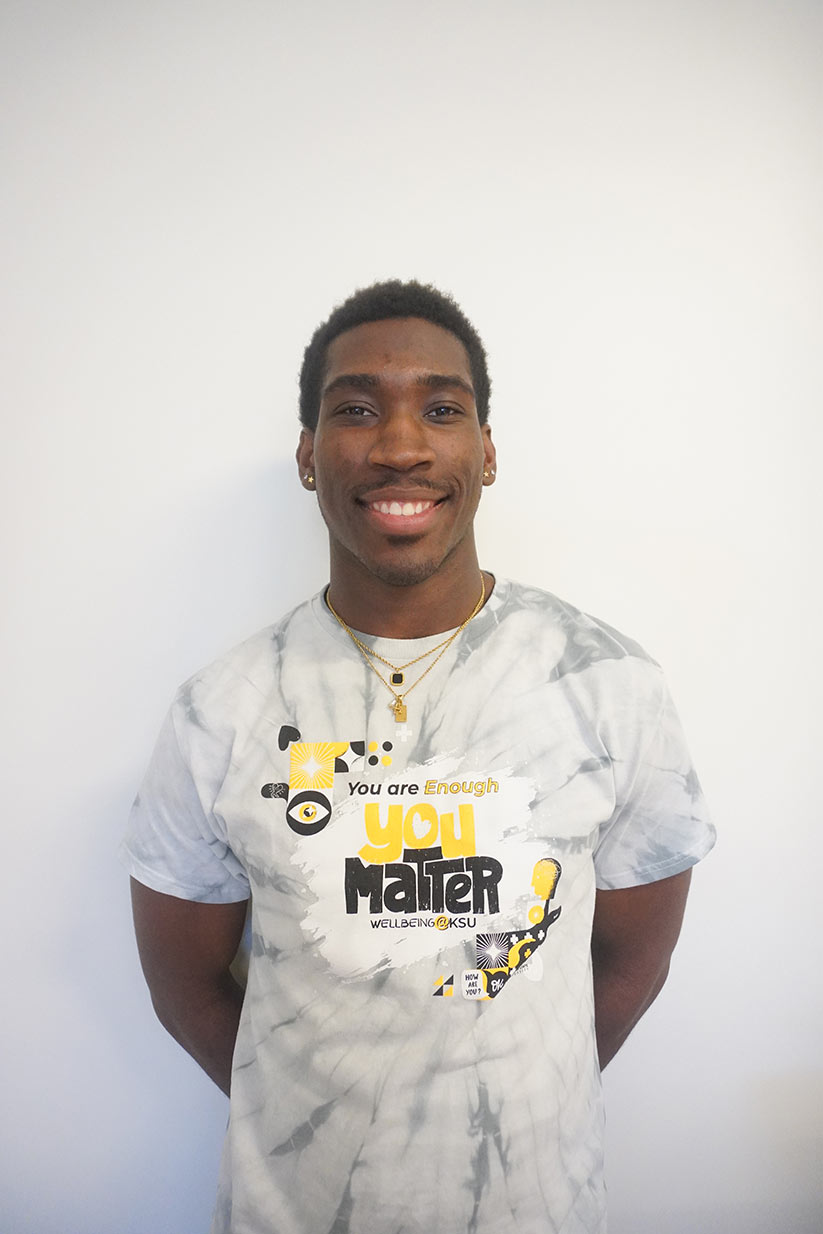
Savion KeyCollege Work/Study
College Work/Study
Major: Psychology with a minor in Sociology
Why did you become a Peer Health Educator?
I became a Peer Health OWL because I enjoy helping others and want to make a positive
impact on students on campus.
How do you promote your health?
I stay active, keep a routine, and make sure I take care of my mental health.
What is one well-being tip you would like to share with other students?
Stay consistent with the small things like getting rest, staying organized, and taking
care of yourself.
Ted McDuffieStudent Assistant
Student Assistant
Major: Biology (Pre-Dental)
Why did you become a Peer Health Educator?
I became a Peer Health OWL because I'm passionate about healthcare and helping others
take control of their well-being. As a biology major on the pre-dental track, I value
prevention and education and empowering people to make informed decisions about their
health. I wanted to be involved in something that allows me to positively impact students
now while preparing for a future career in dentistry.
How do you promote your health?
I promote my health by going to the gym every day and staying consistent with my fitness
routine. Exercise helps me manage stress, stay disciplined, and maintain both my physical
and mental health. I also prioritize sleep and staying organized academically, and
keeping a balanced schedule so I can perform at my best.
What is one well-being tip you would like to share with other students?
Consistency is more important than motivation. You won't always feel like going to
the gym or studying or taking care of yourself, but building disciplined habits will
carry you further than temporary bursts of motivation.
Jayda RichardsStudent Assistant
Student Assistant
Major: Psychology Major and Criminal Justice minor
Why did you become a Peer Health Educator?
I wanted to become a Peer Health OWL to strengthen my leadership skills, grow both personally and professionally, and be part of a meaningful program that supports and positively impacts students in our community.
How do you promote your health?
I promote my health by staying active in the gym, eating cleaner foods, and doing activities with my friends and family that make me happy.
What is one well-being tip you would like to share with other students?
Taking short breaks, getting enough sleep, and doing something you enjoy, like listening to music, playing a sport, or just relaxing, can really help reduce stress and improve your mood. When you take care of your mental and physical health, it’s easier to focus, learn, and feel confident at school.
Maya BrooksStudent Assistant
Student Assistant
Major: Criminal Justice
Why did you become a Peer Health Educator?
I became a Peer Health OWL because I wanted to help my peers make informed decisions
about their physical, mental, and emotional well-being. I enjoy creating a supportive
environment where students feel comfortable asking questions and sharing experiences.
How do you promote your health?
I promote my health by maintaining a balanced routine that includes regular physical activity, nutritious meals, and sufficient sleep.
What is one well-being tip you would like to share with other students?
Small, consistent habits often make the biggest difference. For example, dedicating
just 10-15 minutes a day to mindfulness, journaling, or stretching can significantly
reduce stress and improve focus over time. Prioritizing yourself in small ways adds
up to big benefits.