|
OwlSwap
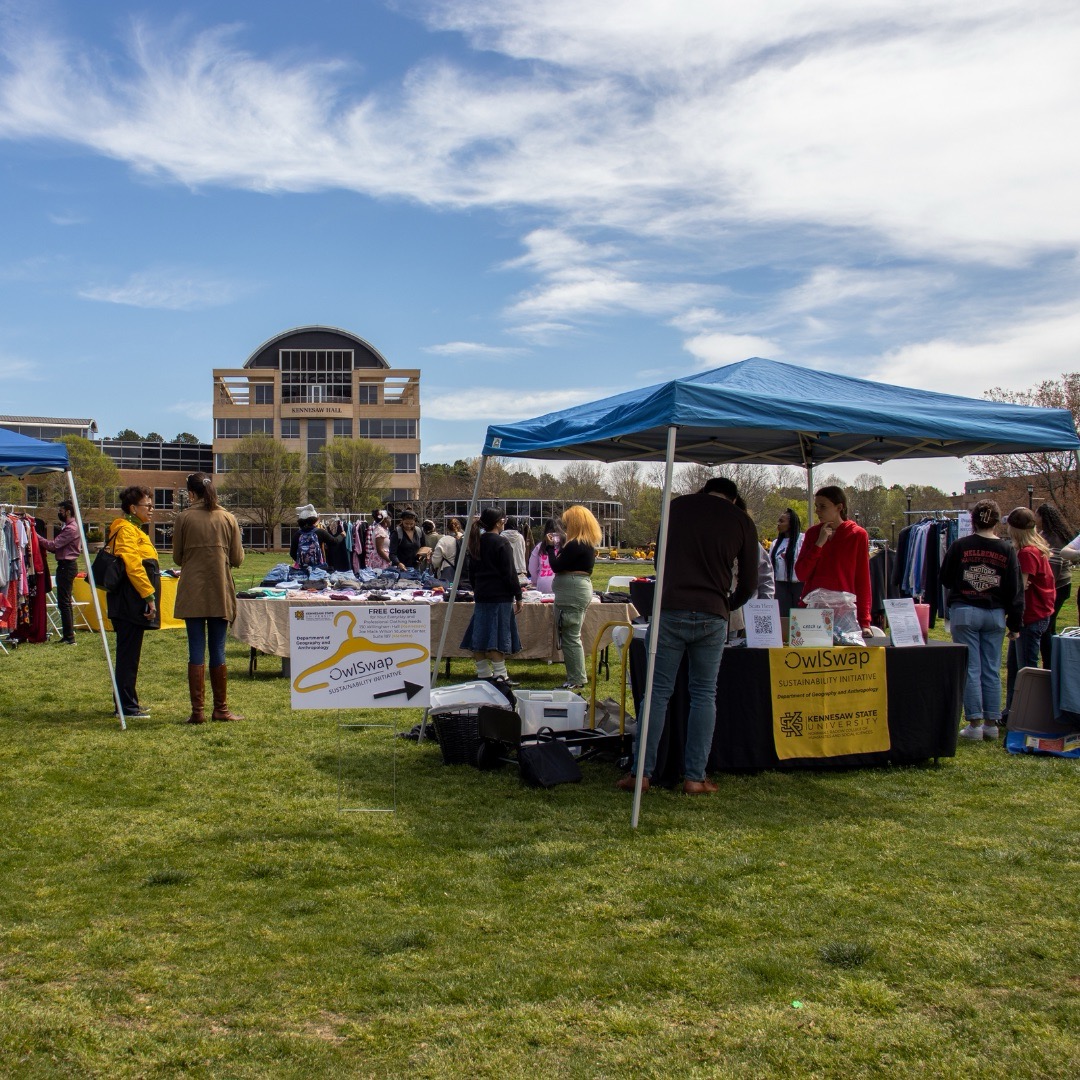
OwlSwap educates, inspires and empowers individuals to make the swap to live more sustainably through clothing. We create experiential learning opportunities and educational events that support our campus community. The Office of Sustainability co-hosts a monthly clothing swap campus-wide, a student resource clothing closet of professional and casual wear on each campus, as well as upcycling workshops and volunteer events for students to get involved. We have found that when people understand the impact that clothing and textiles have on communities, the environment and the economy, they make the swap to more sustainable clothing habits.
|
|
Food Forest
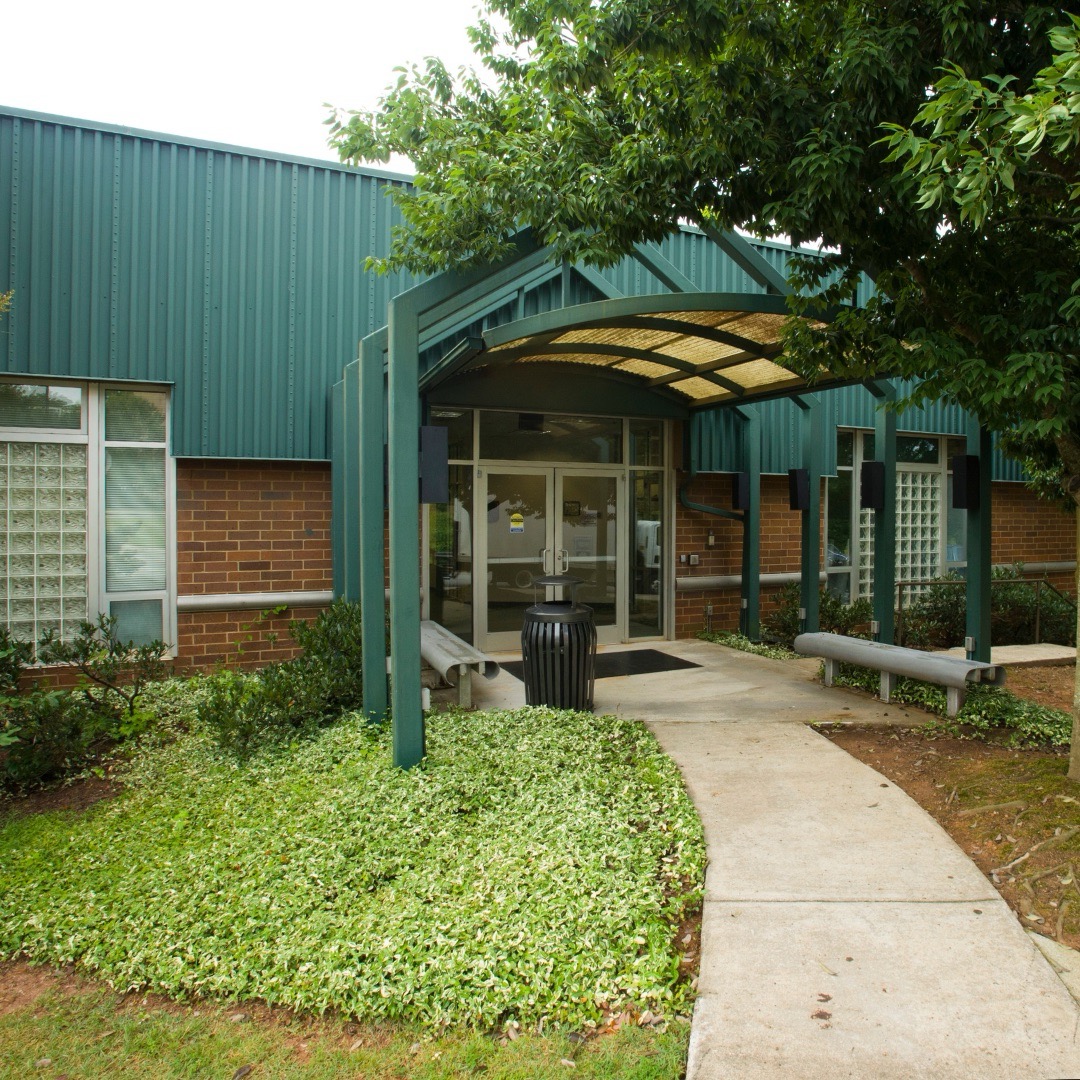
The Kennesaw State University Field Station, managed by the Office of Research, is a 25-acre property located two miles from the Kennesaw Campus. The Food Forest is a one-third acre section of the Field Station that serves as a model of sustainable urban agriculture and demonstrates the potential food forests systems offer to mitigate environmental challenges and promote food security and health. The food forest functions as a Living Lab by providing volunteer days for students to get their hands in the dirt, learn permaculture principles, and experience growing, pruning, and harvesting food. The Field Station and Food Forest host multidisciplinary research opportunities for faculty, staff, and students to get involved.
|
|
SEPAL: Safeguarding, Education, Propagation. And Applied Research
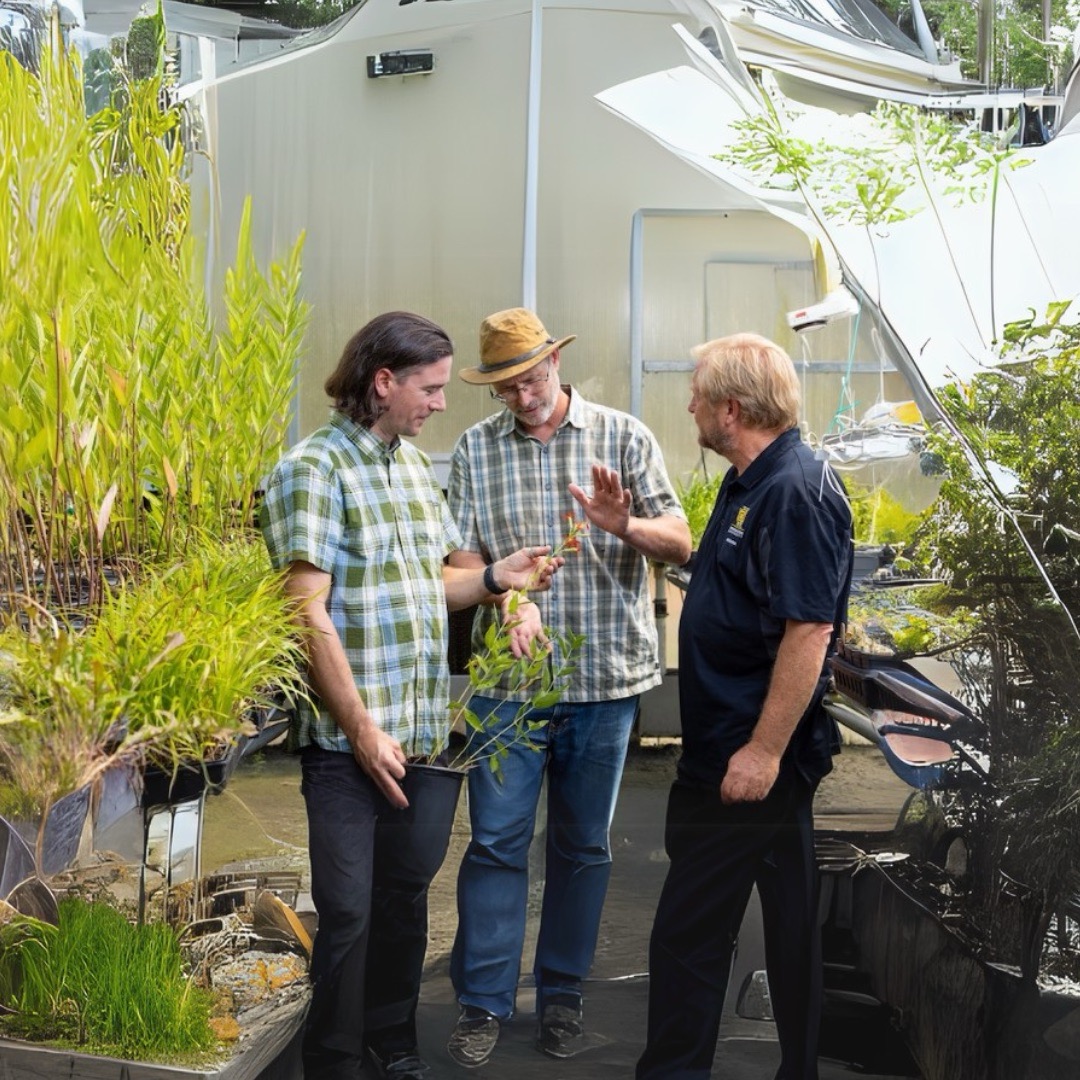
Located at the KSU Field Station, at Dr. Mario Bretfeld's helm, the Native Nursery and the SEPAL project safeguards endangered plants and grows highly important native plants that help ecosystems thrive. Through this Living Lab, students learn about the importance of native species vs. non-native and invasives, encouraging a future population of leaders that care, value, and nurture our local environment and species.
|
|
Urban Heat Island at KSU
Trees and green spaces have a profound effect on the temperature in urban areas. Planting
trees and providing additional parks and green spaces will help lower temperatures
across urban areas. While direct shading provides advantages, dense tree coverage
provides the greatest cooling effect.
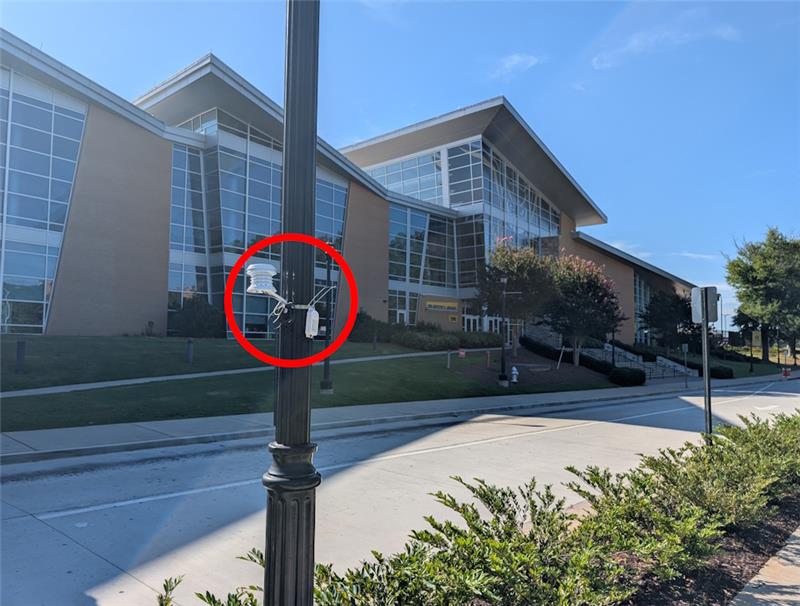
Kennesaw State University’s Urban Heat Island study began as a Living Learning Lab in collaboration with Science and Mathematics faculty member Dr. Kadian Callahan. Through this initiative, 28 thermal readers were installed across both campuses to collect temperature data that helps students and researchers better understand the Urban Heat Island Effect.
Urban Heat Island at Kennesaw State University
|
|
Marietta Edible Garden
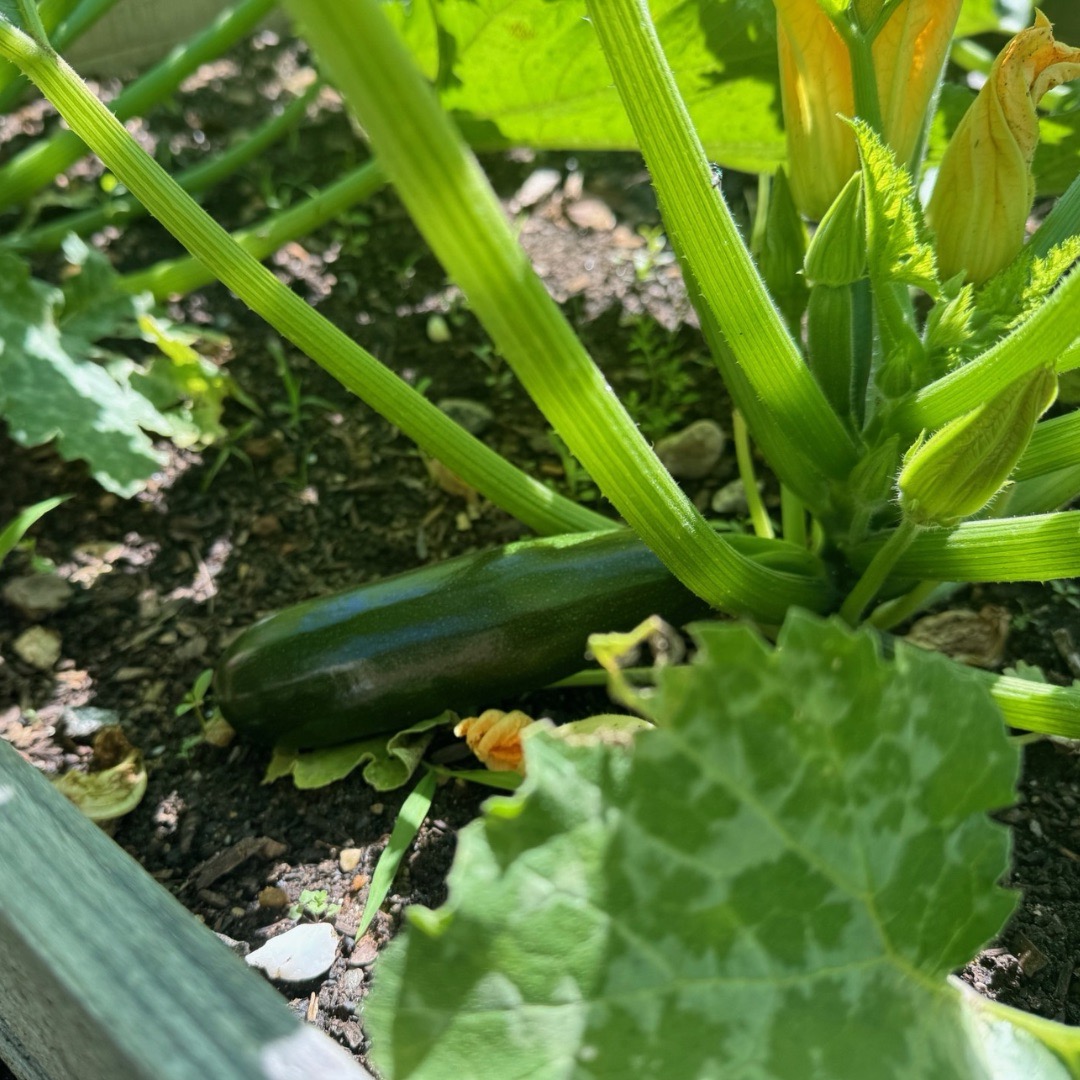
Our Marietta campus houses our Civil Engineering and Art, Textile and Surface Design majors. This Living Lab is one in collaboration with Dr. Roneisha Worthy, Engineering, and Amanda Britton, Textiles, and to implement a combination edible, pollinator, and natural dye/pigment garden. Students of each discipline will create and maintain this garden and workshops will be hosted to educate on each aspect's importance. This interdisciplinary approach allows large groups of students to work together, gaining perspectives and educational experiences from one another while improving our campus landscape with beautiful flowers and edible plants.
|
|
Scrappy's Edible Pollinator Garden
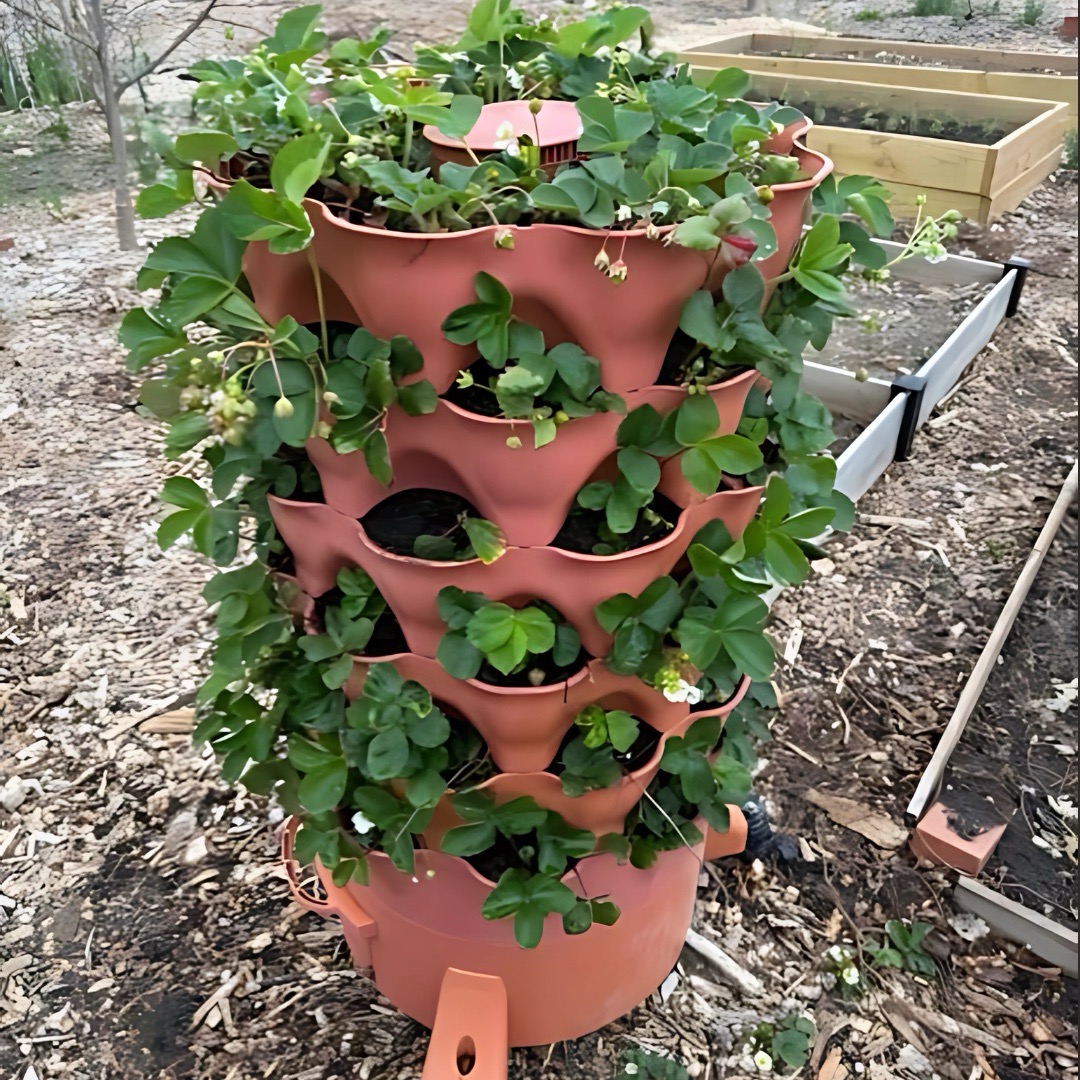
In collaboration with our campus CARE Pantry, Dining, and Registered Student Organizations (RSO), the Office of Sustainability has established a Living Learning Lab to provide herbs and food for the dining hall, food insecurity program at KSU, and urban agriculture education to students directly on campus. EcoOwls, KSU’s preeminent environmental RSO, leads gardening maintenance workdays, harvesting volunteer events to restock the CARE Pantry’s produce shelves, and educational events about the importance of organic food access and food insecurity.
|
|
Waste Characterization
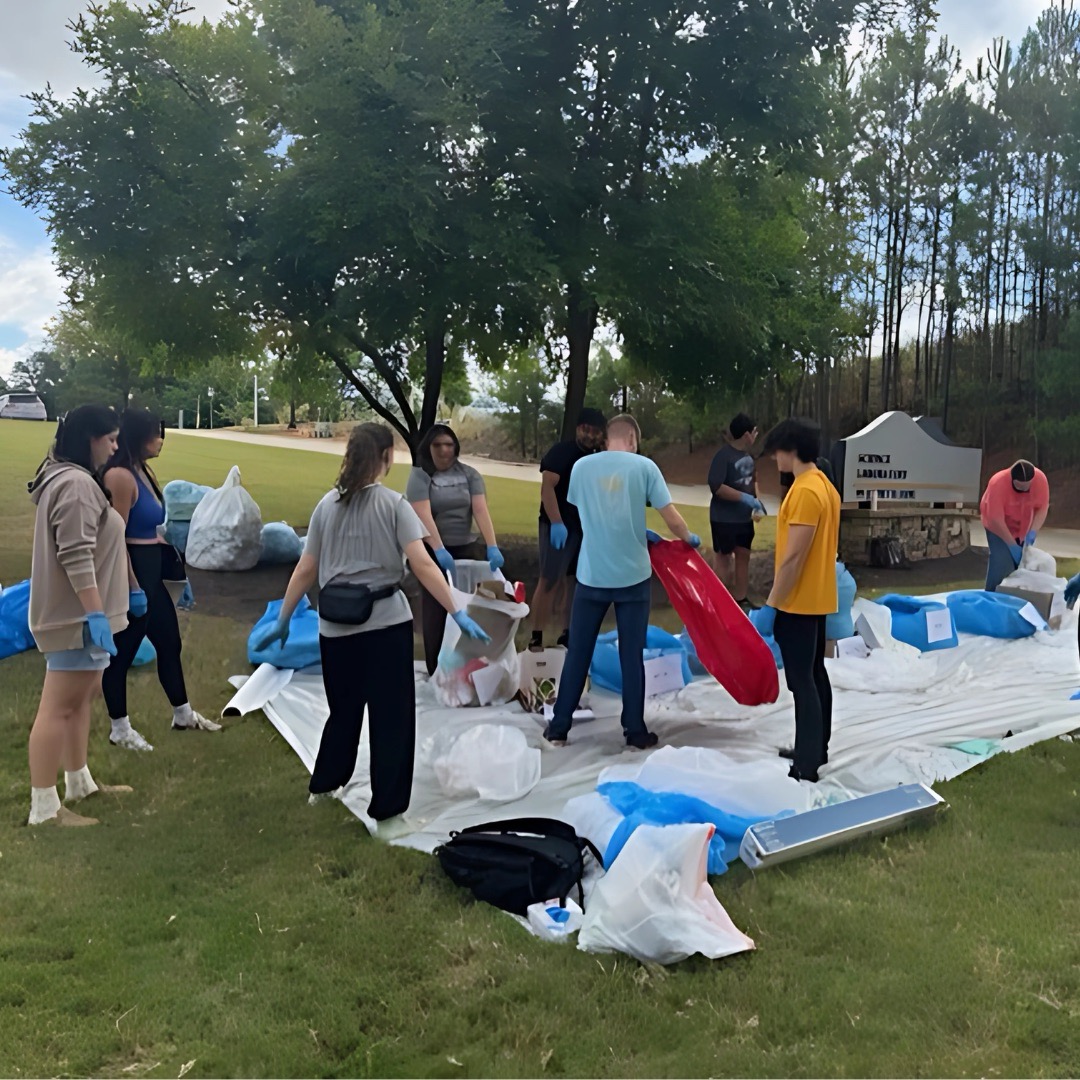
KSU's greenhouse gas mitigation plan highlighted the need for a waste study to be
conducted campus wide. The Office of Sustainability created a Living Lab where solid-waste
engineering students in Dr. Roneisha Worthy's courses, both undergraduate and graduate
level, collected waste from select sites on each campus to weigh, measure, and define
our waste streams. They then analyzed the waste characterization data and identified
waste diversion strategies to increase recycling and compost efforts. This study will
be conducted again in the future to determine if our lessons learned have improved
our waste diversion goals.
|
|