The Grand Challenges seed grant provides up to $200,000 for two fiscal years to support
activities that develop large-scale interdisciplinary programs across the university.
Projects must target a high-impact issue and include a plan to sustain the program
for 5-10 years beyond the seed funding period.
Self-Healing Zero-Trust Peer-to-Peer Communication for Tactical Units in Contested
Environments
Lead PI: Mahyar Amirgholy
Team: Mahyar Amirgholy, Honghui Xu, Chenyu Wang
Project Summary: The proposed research advances a zero-trust communication architecture that operates
without reliance on centralized authentication, stable infrastructure, or perimeter-based
defenses, directly responding to cybersecurity challenges in defense and operational
technology systems. By integrating decentralized authentication, trust inference,
and resilience to node compromise and false information injection into a peer-to-peer
framework, the project safeguards data integrity and decision reliability under active
cyber-electronic attack.
Unlocking XR Generalizability: An Empirical and Infrastructural Framework for Development,
Replication, and Adoption
Lead PI: M. Rasel Mahmud
Team: M. Rasel Mahmud, Md Shazibul Islam Shamim, Tanmay Bhowmik
Project Summary: While XR is the most transformative technology of the 21st century, its full potential
for digital twins remains uncertain due to challenges in XR software development,
and limited industry adoption hinders generalizability. In our proposed research,
we will address the software, hardware, and software hardware interfacing-related
technical barriers to make it communicate with open source XR software maintainers
from industry, such as Apple, Google, and Meta, and with academic collaborators at
Virginia Tech and Georgia Tech's Scientific Software Center and Open Source Program
Office (OSPO) to disseminate our findings to both academic and industry professionals.
Integrated Computational and Experimental Investigation of Fluorobenzyl Functionalized
Peptoid Nanosheets for Enhanced PFAS Removal
Project Summary: Our proposed research aims to develop next-generation membrane materials capable of removing up to 99% of PFAS, addressing a critical barrier to resilient water infrastructure. This project integrates membrane engineering, synthetic chemistry, and machine learning-guided design to create tunable peptoid-based membranes with high PFAS affinity. These materials are expected to demonstrate strong chemical stability and customizable channel structures, making them well suited for long term deployment in water treatment systems.
Accessible AI for Smart and Sustainable Controlled Environment Agriculture: Edge Intelligence
and Digital Twin Decision Support
Lead PI: Xu Tao
Team: Xu Tao, Mario Bretfeld, Muhammad Hassan Tanveer, Sainan Zhang
Project Summary: This project aims to develop a low-cost, accessible AI framework that enables effective collaboration between growers and AI-driven, networked systems for managing complex urban agriculture environments. As supply-chain disruptions, like during COVID-19, have exposed vulnerabilities in centralized food systems, decentralized urban agriculture has become essential for local food resilience. However, these settings face challenges such as disease risk, environmental variability, energy constraints, and limited labor, while growers often lack tools for timely, informed decision-making. The proposed system advances collaborative intelligence by integrating low-cost sensing, mobile devices (e.g., drones and soft robots), sustainable edge computing, and a digital twin–based decision-support framework.
Personalized Zero-/Few-Shot Learning Control of Lightweight Exoskeletons for Improving
Mobility in Individuals with Cerebral Palsy
Lead PI: Sainan Zhang
Team: Sainan Zhang, Xu Tao, Luisa Valentina Nino de Valladares
Project Summary: The project develops a lightweight, portable exoskeleton integrated with learning
based control and wearable sensing, directly contributing to next-generation health
technologies that improve functional outcomes while prioritizing accessibility and
real-world usability. By replacing prolonged, clinic-based human-in-the-loop optimization
with a simulation-trained universal model and rapid zero-/few-shot personalization,
the proposed approach reduces user burden, increases safety, and enables individualized
assistance without extensive clinical infrastructure.
2025 Grand Challenges Cohort
Additively Manufactured LatticeFuel Forms for Enhanced Nuclear Performance
Lead PI: Aaron Adams
Team: Aaron Adams, Richard Kennedy, Roneishia Worthy, Doug Crawford, Enrique Jackson
Project Summary: This project explores how advanced 3D printing can revolutionize nuclear energy by
creating innovative lattice-structured fuel forms that enhance heat transfer, safety,
and efficiency in next-generation reactors. Led by Kennesaw State University in collaboration
with NASA and Idaho National Laboratory, the research combines design, simulation,
and testing to develop sustainable, additively manufactured fuel systems that could
significantly improve reactor performance and reduce environmental impact.
AGeneral Method for Fabricationof Hierarchical Structures for Flexible Energy Storage
Materials Using Supramolecular Assembly of Biomolecules
Lead PI: Bo Li
Team: Bo Li, Beibei Jiang, Lei Shi, Ashish Aphale
Project Summary: Wearable electronics need power sources that can bend and stretch without losing performance. The big challenge is creating tiny 3D “highways” that let charged particles and electricity move smoothly, which is something today’s 2D manufacturing methods cannot do easily. Using self-assembling biomolecules (short proteins called peptides) as Lego-like building blocks, we can grow these 3D conductive networks from the bottom up, paving the way for lighter, tougher, longer-lasting flexible batteries and solar cells.
CPP-MediatedDelivery of PeptidoglycanDydrolases as Novel Antibacterials
Lead PI: Thomas Leeper
Team: Thomas Leeper, Jonathan McMurry, Anton Bryantsev
i-BacteriaForecast:Intelligent Bacterial ForecastingCyberinfrastructure Using AI-Enabled
Self-Optimizing LoRaWAN for Sustained Water Quality Monitoring
Lead PI: Ahyoung Lee
Team: Hoseon Lee, Amy Gruss, Allen D. Roberts, Carl Saint-Louis, Soon Goo Lee
Project Summary: We are building a smart water monitoring network that uses advanced sensors, AI,
and cloud computing to deliver real-time water quality and bacterial contamination
updates. The system continuously collects and analyzes data to forecast E. coli and
fecal contamination, helping communities prevent health risks before they occur. By
making this information instantly accessible through a mobile app and web dashboard,
we empower the public and cities to protect water safety more efficiently and affordably.
2024 Grand Challenges Cohort
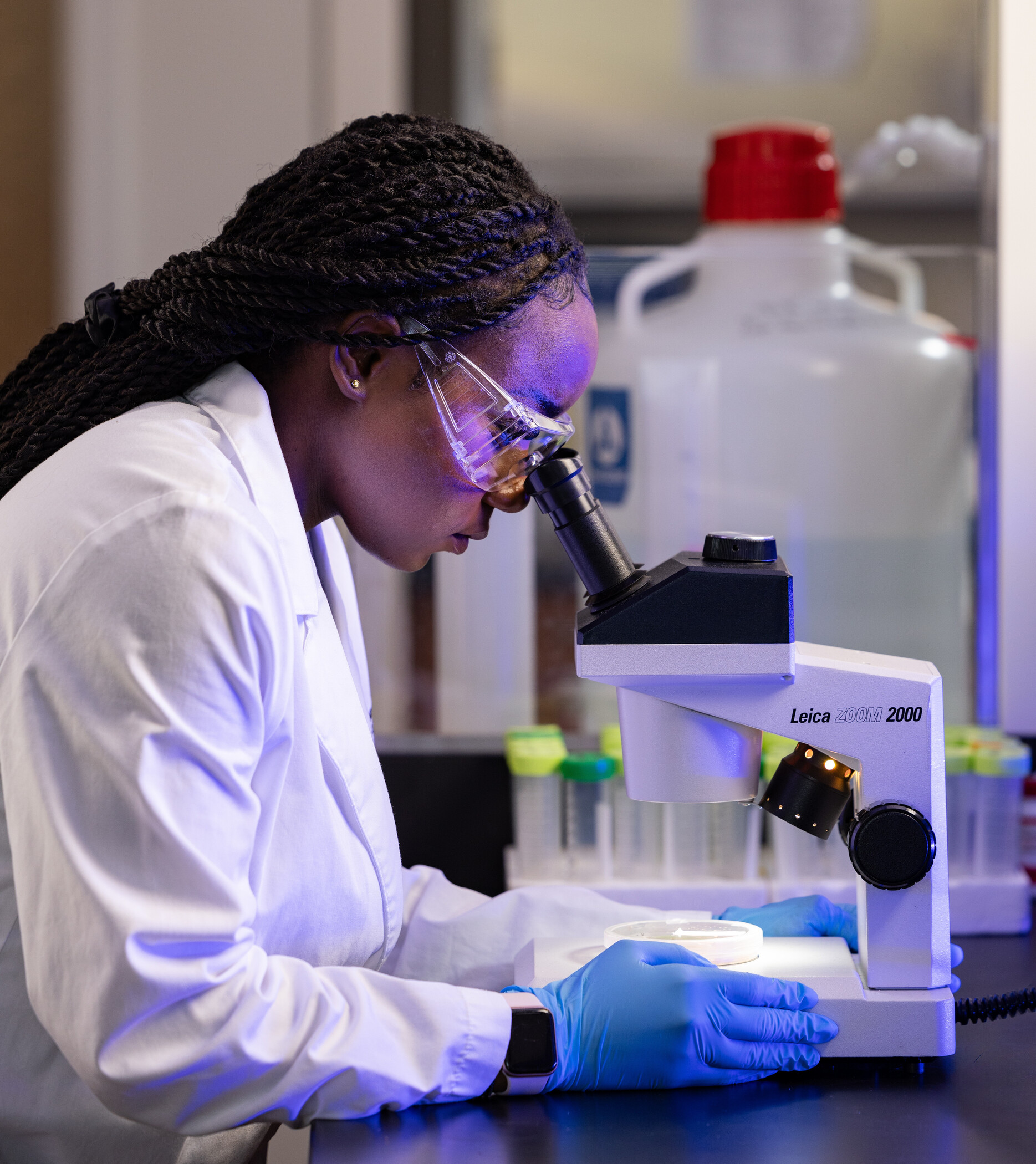
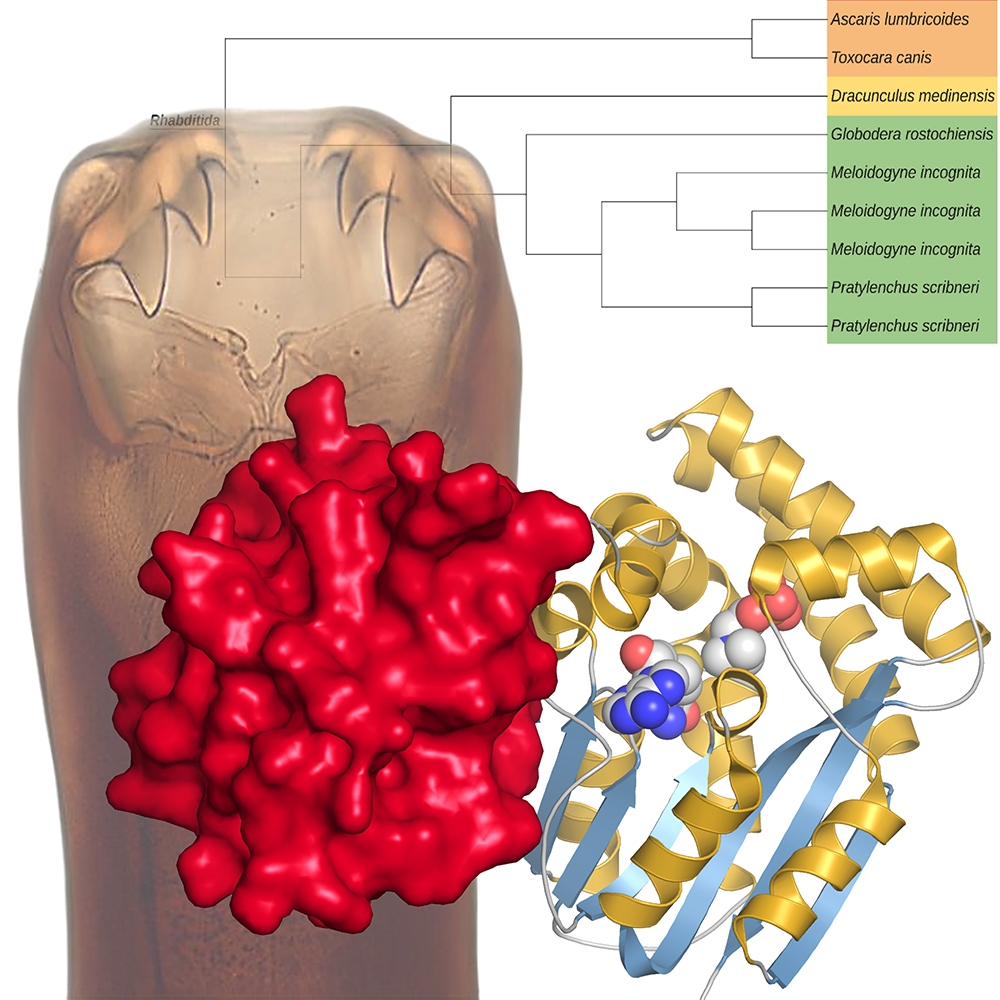
Development ofNovel Screening Strategiesand Drugs to Target Pathogenic Nematode and
Protozoal Infections in Humans and Commercial Crops
Lead PI: Martin Hudson
Team: Martin Hudson, Soon Goo Lee, Whitney Preisser
Project Summary: Infectious diseases caused by parasites such as nematodes and malaria-causing protozoa have an incredible burden on global health. In addition, nematodes species that parasitize agricultural crops create an additional global burden. Drug resistance against parasitic nematode infections is evolving, demonstrating an unmet need for novel chemotherapy treatments. To address this, we have used bioinformatic tools to identify novel chemotherapy targets against nematodes, to validate them, and to utilize these as a platform to identify next-generation anti-nematode treatments for human, veterinary, and crop protection applications. To date we have generated X-ray crystal structures of a novel enzyme required for nematode viability, identified a short-list of candidate drugs that inhibit this enzyme, and begun to develop in vivo screening platforms to validate candidates for anti-nematode efficacy.
Hopscotch4-All: Leveraging AI to Enhance Research Literacy in High School AP Research
Project Summary: Hopscotch 4-All is an innovative initiative aimed at transforming Advanced Placement (AP) Research education by making research literacy more equitable, accessible, and engaging. This open-access AI-powered recommender system leverages Large Language Models (LLMs) to guide high school students through the complexities of research design.
By offering personalized and adaptive learning experiences, H4-All equips students with the skills and confidence to succeed in research and thrive in college-level academic environments. The project not only supports AP Research students but also enriches undergraduate education by bridging the gap between high school and college research expectations.
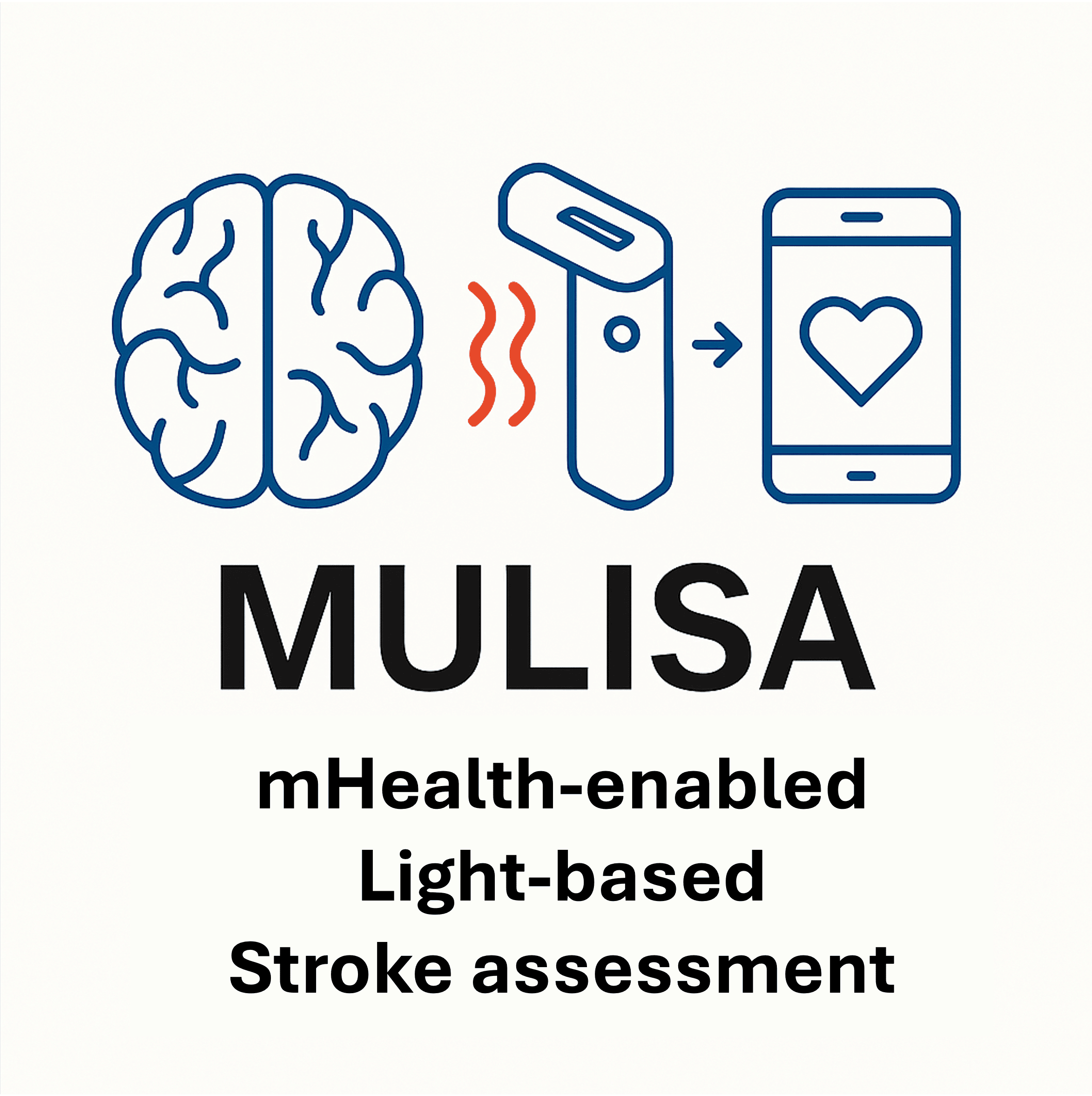
MULISA: mHealth-Enabled User-Friendly Light-Based Stroke Screening and Assessment
in Pediatric Sickle Cell Disease
Lead PI: Paul Lee
Team: Paul Lee, Monica Swahn, Nazmus Sakib, Sangsun Choi
Project Summary: Stroke is a major risk for children living with sickle cell disease (SCD), and timely detection is critical for prevention. Our KSU-led project, MULISA is developing a portable, non-invasive device that uses light to monitor brain health and detect early signs of stroke risk. Powered by cutting-edge optical technology and supported by a mobile health (mHealth) platform, this low-cost tool can be used at the bedside, in schools, clinics, and community health settings, making stroke screening more accessible for both children with SCD and broader populations at risk. With support from the KSU Grand Challenge Seed Grant, our team has built and begun testing a working prototype. This research could transform how stroke is detected and prevented in everyday healthcare settings and showcases how KSU innovation is addressing real-world health challenges.
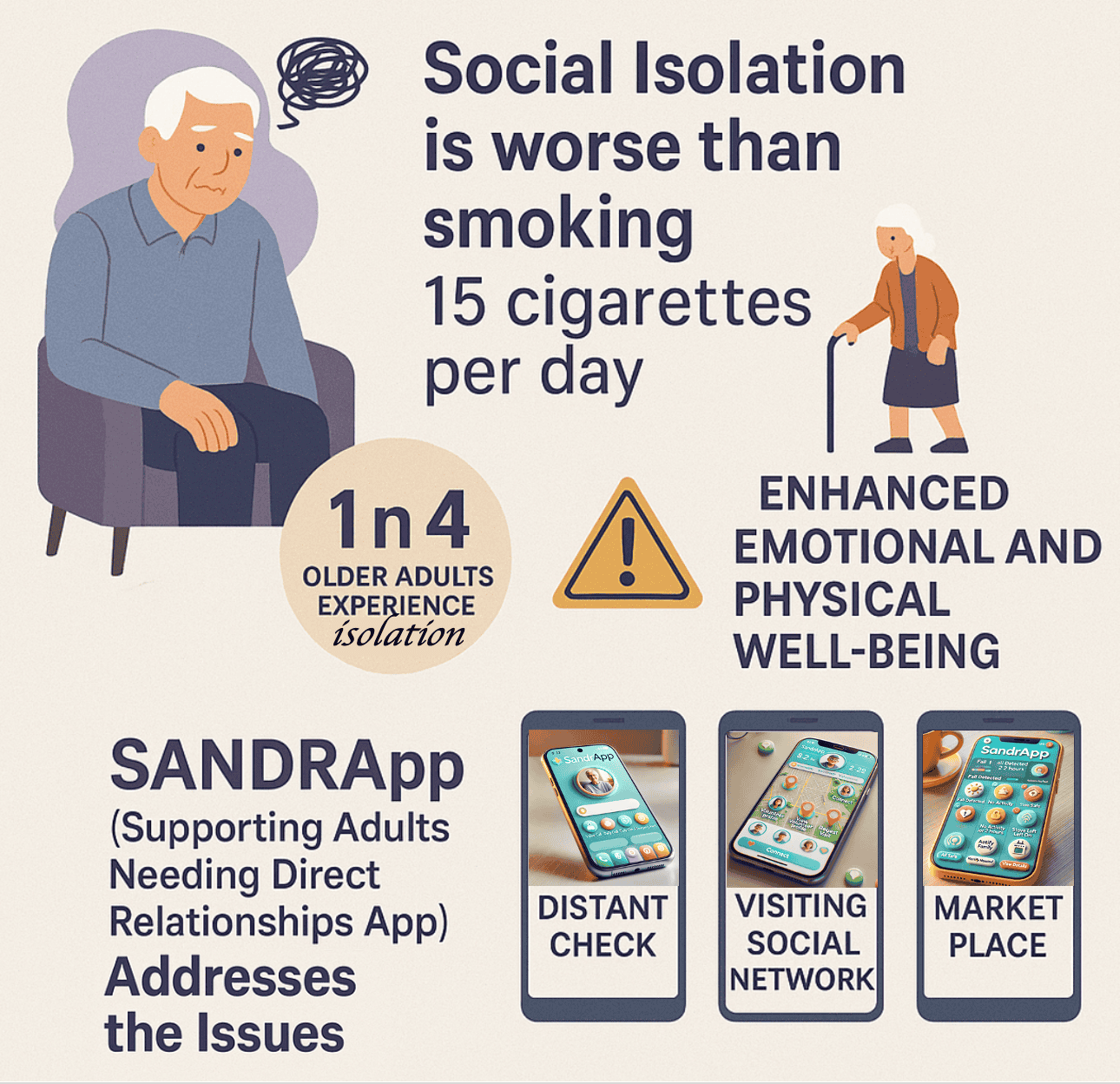
SANDRApp- Supporting Adults Needing Direct Relationships App
Lead PI: Paola Spoletini
Team: Paola Spoletini, Maria Valero, Luisa Valentina Nino de Valladares, Israel Sanchez-Cardona
Project Summary: The increasing number of older adults living far from family or without support has
risen exponentially, a trend expected to grow due to factors such as the cost of living
in areas where there are more jobs making them unaffordable for people who live on
their retirement funds and mobility of younger generations. The problem is further
compounded for older adults living in underserved areas, where access to social services
and healthcare is limited. This isolation raises two main concerns: lack of social
connections and physical safety. Our long-term goal is to create a scalable, multifaceted
platform that connects older adults with families, volunteers, and essential services
to enhance their well-being and social support.
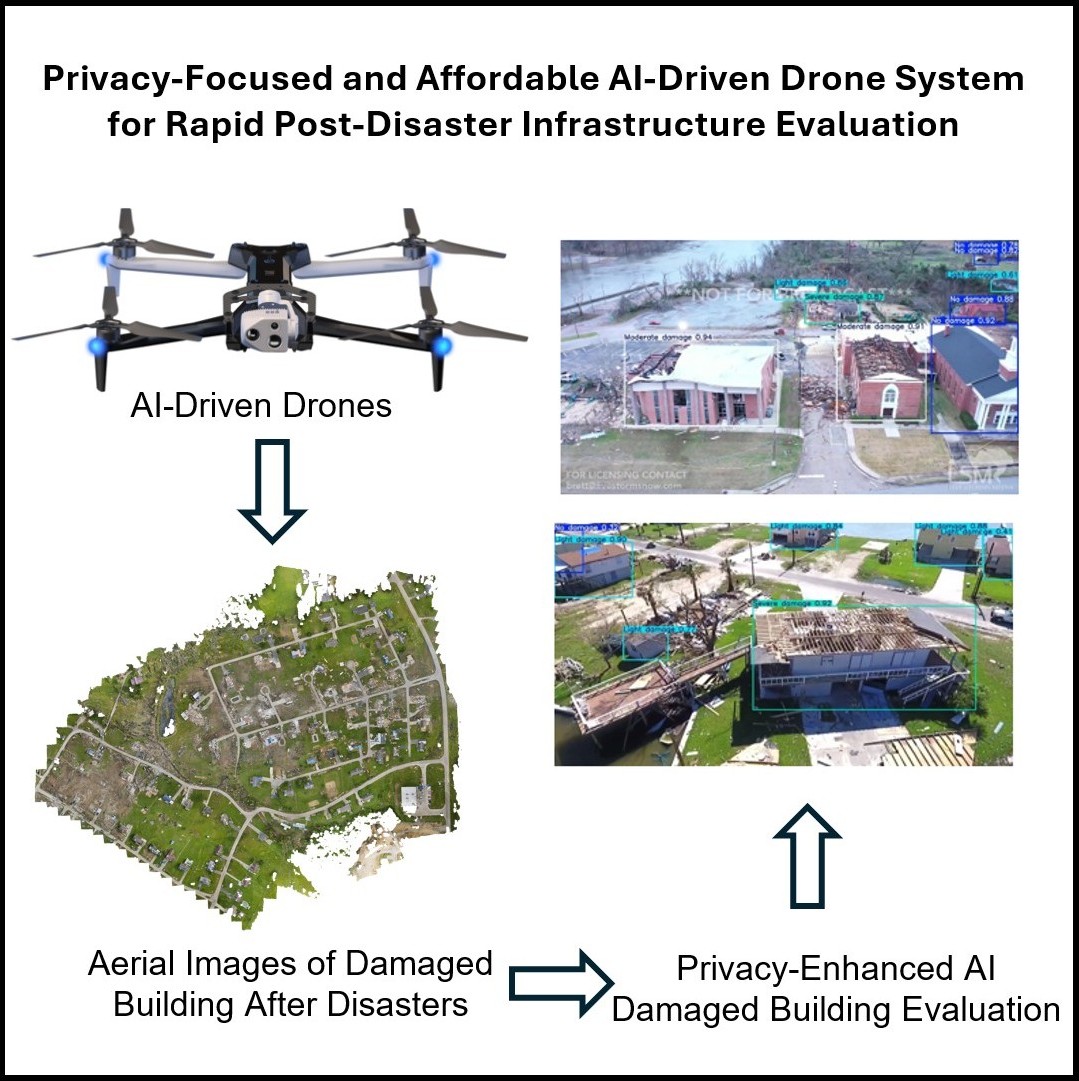
Privacy Enhanced EmbeddedDeep Learning Module Design for Real-Time Drone-Aided Building
Damage Reconnaissance
Lead PI: Honghui Xu
Team: Honghui Xu, Da Hu, Adeel Khalid
Project Summary: At Kennesaw State University, our research team is developing a privacy-enhanced, AI-powered drone system to rapidly assess building damage after natural disasters. Using aerial imagery collected by drones, our embedded deep learning model detects and classifies damage in real time—eliminating the need for slow and risky manual inspections. This system not only speeds up emergency response but also protects sensitive visual data using certified differential privacy techniques. Seed grant funding has allowed us to build the first prototype, collect critical field data from recent disasters in Georgia and Kentucky, and prepare for multiple high-impact research publications. Our work supports safer, faster, and smarter disaster recovery efforts for communities nationwide.