Master of Science in Information Technology

Discussing Trends in Information Technology
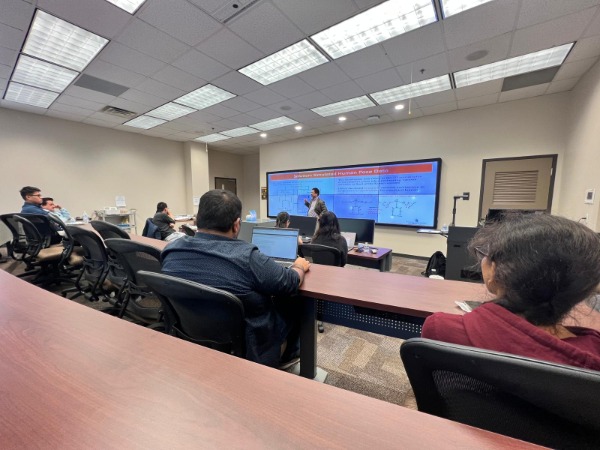
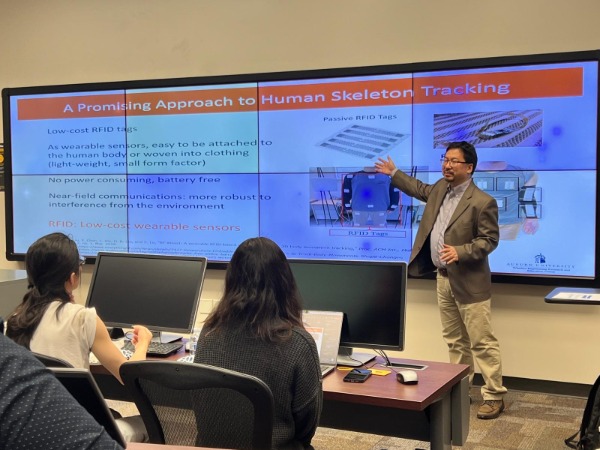
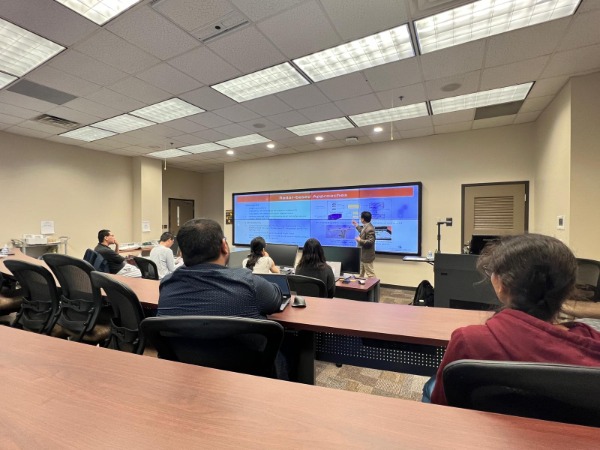
IT Distinguished Colloquium Series provide an opportunity for faculty members of the department to share their research and ideas with each other. This can lead to collaboration and new partnerships, as well as sparking new research directions. Colloquia provide a forum for discussing current topics and trends in the field.
This can help keep everyone up-to-date on the latest developments, and ensure that
the department remains at the forefront of the field. Colloquia can help develop critical
thinking and presentation skills. By presenting their research to their peers, members
of the department can receive valuable feedback and learn to better articulate their
ideas.
Graduate students are highly encouraged to attend the IT Distinguished Colloquium Series. GRAs who is currently working with the professors are highly recommended to attend the colloquium.
Committee Chair: Dr. Liang Zhao
Committee members: Dr. Lihn Le, Dr. Ying Xie, Dr. Nazmus Sakib, Dr. Yixin Xie
Please find the past and future colloquia below.
Beyond Access: Engineering Agency within Equitable CS Pathways
- When: 1:00 PM - 2:00 PM Feb 11, 2026
- Where: J-2116; Microsoft Teams Meeting
-
Abstract
As computing becomes an essential literacy regardless of domain, the pathways into the field remain uneven and often opaque. This talk presents a research agenda that centers agency as a core equity outcome — examining how "interactive visibility" can help students, educators, and leaders recognize constraints, make sense of learning, and navigate professional futures.
Three illustrative projects from a broader portfolio demonstrate how this ecosystem operates across different levels of the CS education pipeline. The first study addresses structural access, linking school participation with demographic, socioeconomic, and geographic data to surface not just where opportunities are scarce, but why disparities cluster in particular communities.
Because access is a hollow promise without support, the second project examines how learning analytics can make student thinking legible for formative action. By translating patterns in student code into interpretable representations, this work helps teachers, especially those that transition from other disciplines, identify misconceptions and adapt instruction in real-time.
Finally, recognizing that even strong instruction can fall short if students cannot envision a future in the field, the third project investigates interactive curriculum–career representations. These tools enable bi-directional exploration between coursework and career trajectories, moving students from passive enrollment toward intentional, self-directed planning.
Together, these studies argue for a shift in focus: moving beyond access alone toward the creation of equitable CS pathways that sustain participation and build long-term professional agency.