Kennesaw State University develops research-driven technologies with strong potential
for licensing and real-world impact. These innovations reflect our commitment to advancing
discoveries that deliver both commercial value and meaningful societal benefit.
KSU researchers and administrators are dedicated to facilitating the transfer of these
technologies to external partners through clear, efficient licensing pathways. We
actively work with industry, entrepreneurs, and investors to ensure these innovations
are positioned for successful adoption, continued development, and long-term commercialization.
Below is a list of KSU technologies that are available for licensing. For more information,
contact Director of Technology Transfer Tom Waters, twater34@kennesaw.edu.
Problem: Diabetes is a disease characterized by high blood sugar levels resulting from dysregulation of the hormone insulin. Monitoring glucose spikes could be helpful for people with abnormally high blood sugar, or prediabetes, which affects one in three Americans. Solution: An infrared-light based solution that can monitor blood glucose levels for extended periods of time without the risk of follow-on infections by building the technology into a long-term wearable device. Benefit: The system monitors blood sugar levels without the use of embedded needles or expensive
disposable patches. Within a suitable wearable device, the system can utilize wireless
charging and smartphone-based monitoring of glucose spikes and follow on energy crashes.
Sound-Based Autonomous Drone Navigation
Problem: Drones have become ubiquitous in everything from military operations to delivering Walmart groceries. But most drone control systems rely on direct line-of-sight controls in high bandwidth outdoor areas. Indoor drone operations are extremely limited. Solution: Echolocation (sound-based terrain mapping) provides a unique means for allowing a drone to navigate inside buildings without direct control of a human pilot. Benefit: This autonomous system can provide a variety of useful, off hours, and autonomous flight operations for surveillance (security) monitoring, emergency response (fire control), and other operations. By mapping in real time, the control system’s ‘maps’ are continually updated, not requiring standard navigation files to maintain operations.
Music Notation Comprehension
Problem: Many young learners struggle with the complex process of learning to read Western
Standard Music Notation (i.e., how music is typically visually presented), particularly
students with special needs.
Solution: A digital tool created to support learning and instruction of elementary music literacy and composition in inclusive classrooms. The learning supports embedded in the tool enable students with visual processing difficulties learn to read music notation and play independently. Informed by Universal Design for Learning and Cognitive Load Theory, the present disclosure emerged as a direct response to the needs of diverse students.
Benefit: The invention uses colors and arrangements of songs for melodic instruments (e.g., piano, xylophone). A simplified arrangement allows students to quickly transition from learning to read music to playing on their own. The technology removes barriers and increases access to music for all learners.
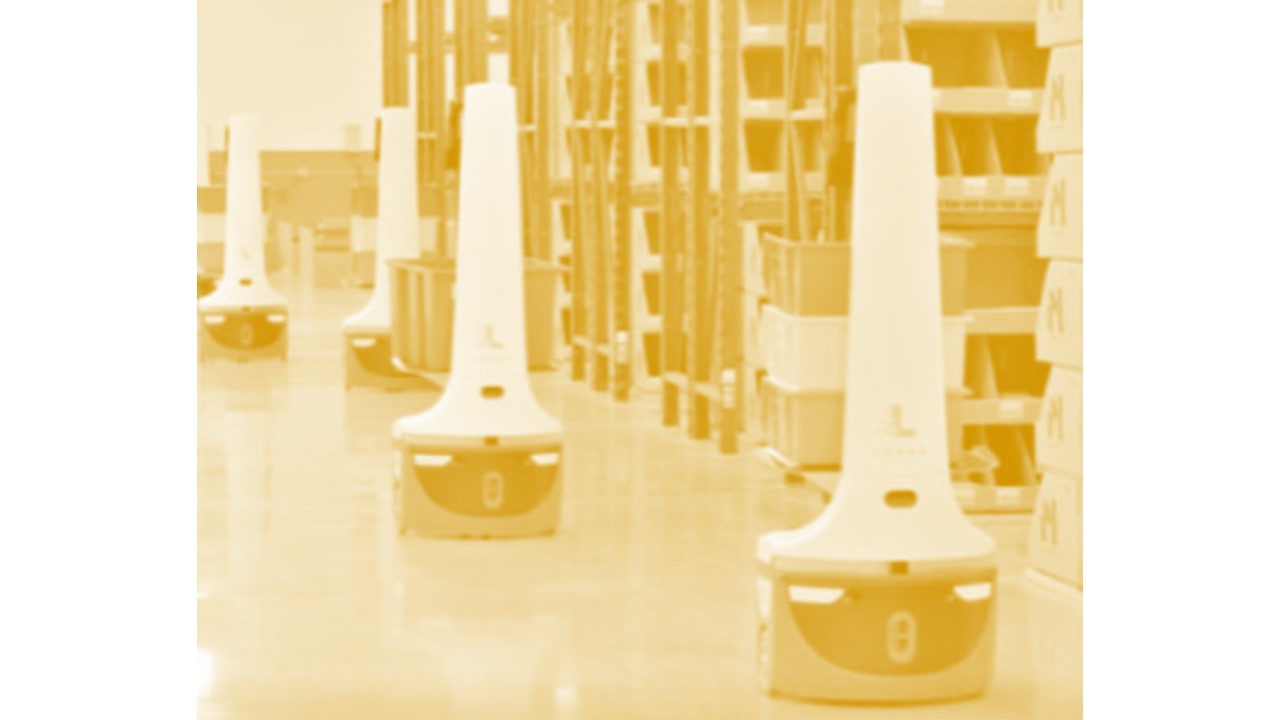
RFID Robot Scanners
Problem: Warehouses increasingly uses robots to autonomously move large numbers of racks and
bins from long-term storage to a human handler that can satisfy a customer order.
But how do robots know what is actually in the bins?
Solution: A vertical (and horizontal) scanner allows current robotic systems to be retrofitted
to increase their value as deployed devices. Rather than the cost of all new robots,
currently deployed systems simply receive a low-cost upgrade.
Benefit: Robots with the vertical & horizontal RFID scanner can now more accurately provide inventory control and supply chain logistics information to leadership.“Unsecured” losses can be minimized by continual monitoring of rack/bin inventory in real time over the course of multiple shifts, decreasing costs.
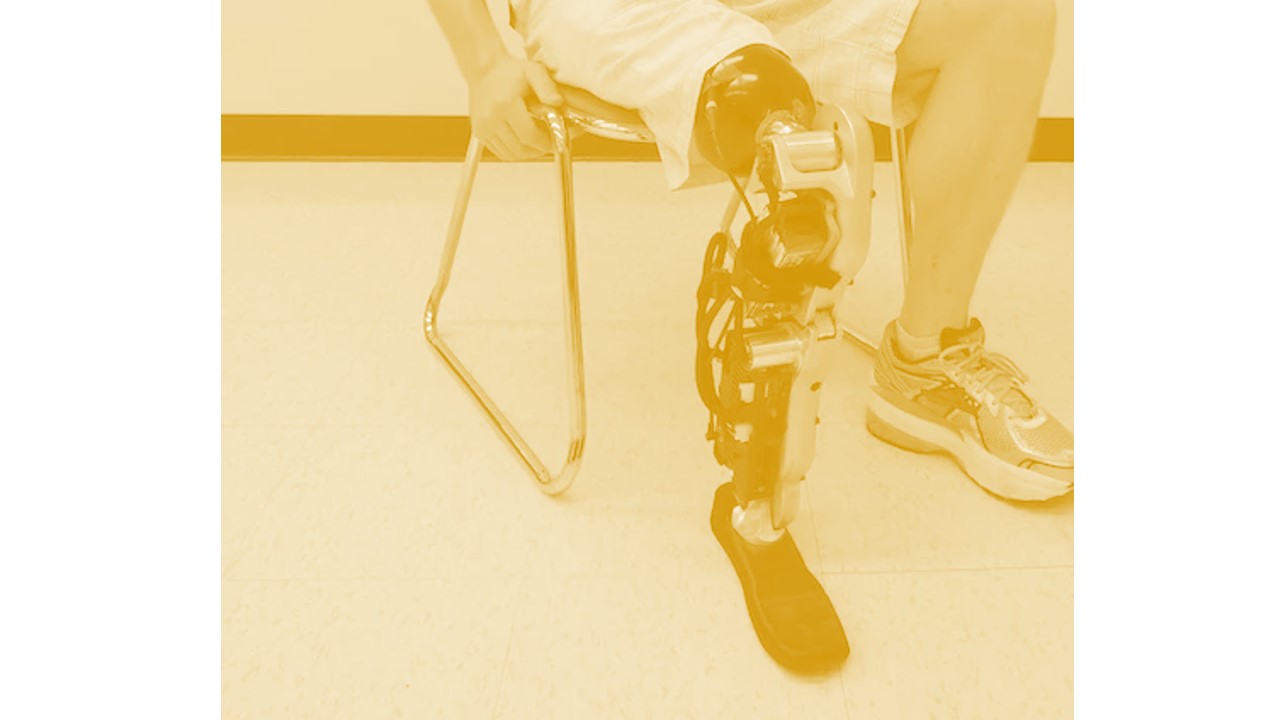
Compliant Ankle Joint
Problem: Traditional ankle-foot orthoses (AFOs) play a crucial role in improving gait, stability, and overall quality of life for patients with foot drop, stroke, multiple sclerosis, and other neurological or orthopedic disorders, but often lack the variable stiffness and natural motion characteristics of the human ankle joint.
Solution: Through additive manufacturing (3D printing) flexible flywheel designs can be combined into a single structure, improving durability and manufacturing. This integrated design may also allow for more precise control over the joint’s stiffness characteristics and overall performance.
Benefit: Using compounded materials it is possible to fine-tune the joint’s mechanical properties. By selecting specific materials and adjusting their relative proportions or geometries, the stiffness and flexibility of the compliant ankle joint may be customized to meet specific user requirements or biomechanical needs.
MentiVerse Training/Education System
Problem: Learners receive generic feedback or solutions from existing tutor-based AI systems,
simply consuming answers without reasoning. Existing system gains knowledge from general
AI systems, not reflecting the specific context required for business purposes. Users
may over-rely on the existing systems for quick answers and thus may not achieve the
learning purpose.
Solution: Addresses critical gaps in AI pedagogy identified in recent research, such as a lack
of critical thinking, contextual awareness, limited emotional responsiveness, and
generic feedback, by incorporating training-curated content and aligning AI interactions
with the actual knowledge base required in focused training.
Benefit: MentiVerse delivers the best practices in AI-enhanced pedagogy, offering scalable platforms for educational institutes, corporates, government agencies, or the general public seeking the most effective, equitable, and engaging learning environments. It supports active learning, and enhances engagement, motivation, metacognition, and learning performance.
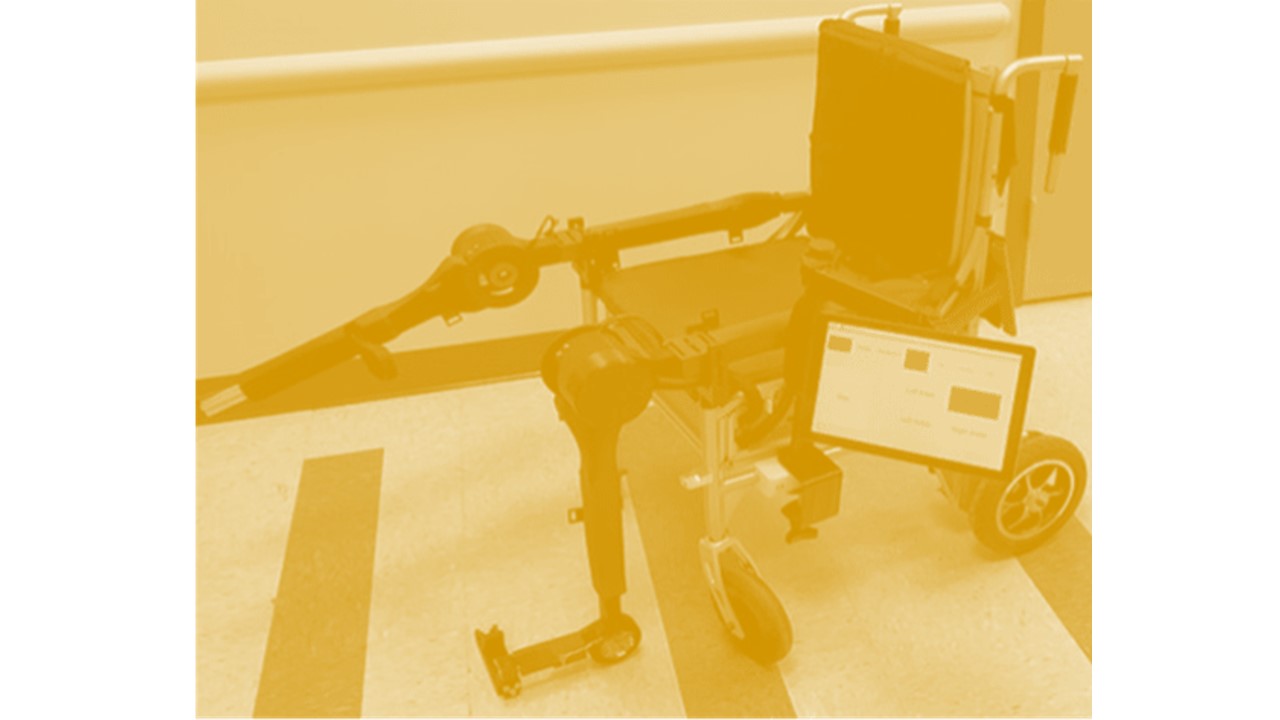
Wheelchair Exoskeleton
Problem: Upright gait trainers or single-joint CPM machines require transfer or standing;
no device integrates with daily wheelchair use.
Solution: This modular, seat-integrated, multi-degree-of-freedom exoskeleton remains permanently attached to a user’s everyday wheelchair, delivering continuous lower-limb therapy without transfers. Because the actuation system shares both energy and command signals with the wheelchair’s existing battery and joystick, users avoid the weight and maintenance of a separate power pack while keeping a familiar interface.
Benefit: The solution supports multiple therapeutic modes (passive, assistive, resistive, isometric) that can be selected through the wheelchair’s standard joystick or acompanion mobile app. Because the architecture is open and bus-oriented, additional joints (hip, pelvis) or sensor packages (EMG, pressure mapping) can be introduced without redesigning the core system. This generalized form factor positions the technology to scale from individual home users to large outpatient facilities and future hybrid sit-to-stand mobility platforms.
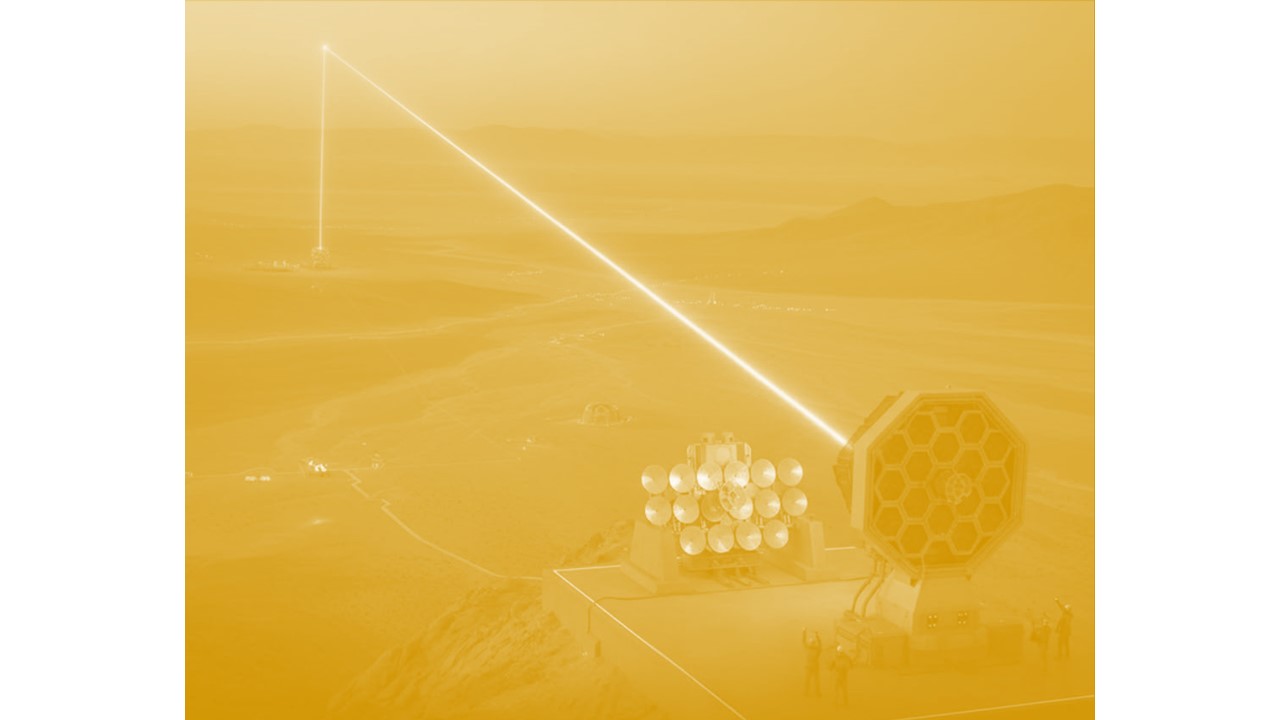
Helios Laser Energy Distribution
Problem: Persistent Optical Wireless Energy Relay (POWER) for long-loiter aircraft (including
drones) is a significant problem. Batteries and internal combustion engine (ICE) fuels
can be difficult to service in combat areas.
Solution: HELIOS is an AI-driven optical power delivery array designed to minimize energy ‘leakage’ from transmission, while also offering ‘daisy-chain’ options for delivering power across multiple devices in an Area of Operation (AOR).
Benefit: Using transmitted power drones, manned airframes, and even stationary sensor arrays
can receive long term energy without the need for recharging batteries or resupplying
fuel runs. This keeps support personnel out of combat areas and permits discrete surveillance
and reconnaissance operations over the long term.
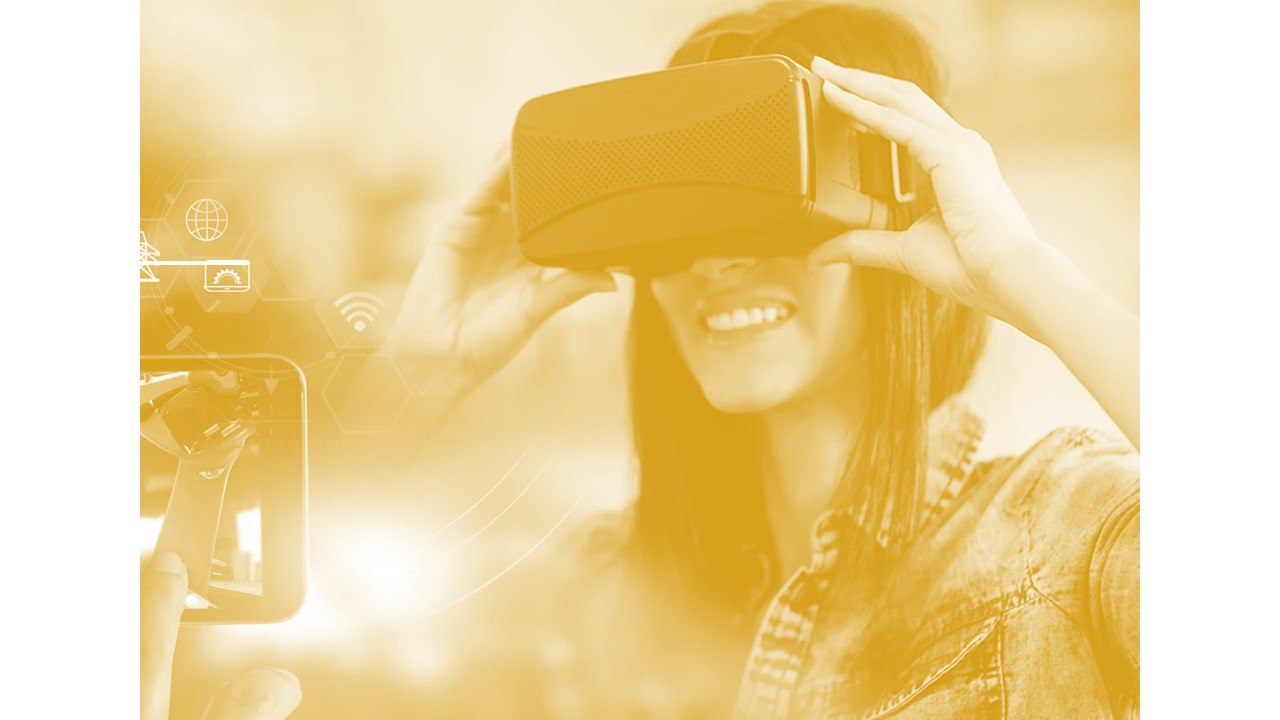
System and Method for Intervention with Attention Deficit Disorders
Problem: Attention deficit hyperactivity disorder (ADHD) is a neurodevelopmental condition characterized by inattention, hyperactivity, and impulsivity. It is a chronic condition that can affect individuals throughout their lifespan, starting inchildhood and continuing into adulthood. Symptoms can include difficulty focusing, staying organized, and managing time.
Solution: Monitoring the patient's gaze and manipulation of the complexity of the displayed
scene, provide a form of combined attention training & prolonged exposure therapy
to patients who have difficulty maintaining sustained attention in real-world settings.
Benefit: The system provides supplemental skill development within therapies, including Parent Education and Training (PET), Social Skills Training (SST) and Speech-Language Therapy (SLT), Cognitive Behavioral Therapy (CBT), Applied Behavioral Analysis (ABA), and Sensory Integration/Occupational Therapy (OT-SI).
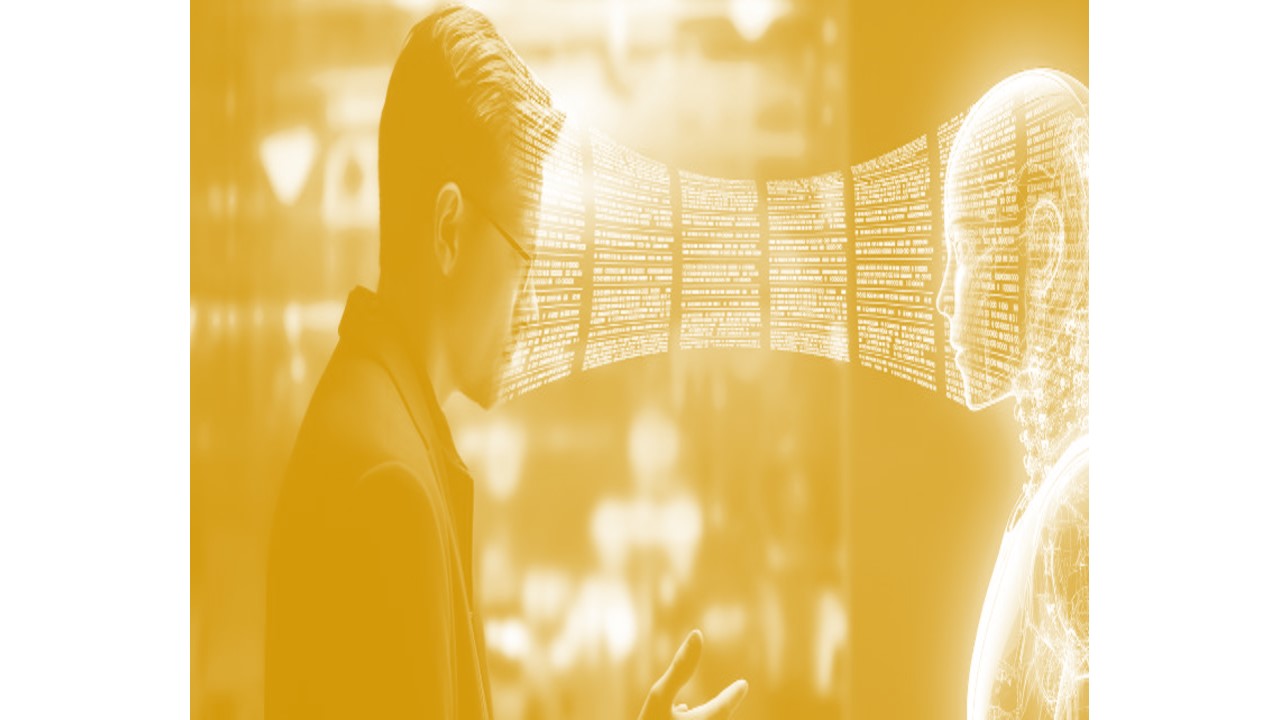
Human-AI Communication
Problem: The fast growth of data-intensive applications, (such as immersive Metaverse experiences,
autonomous vehicles, and real-time language translation), has accelerated the need
for more efficient communication strategies.
Solution: Wireless networks including 5G, 6G, and satellite-direct wireless technologies, are
expected to meet stringent requirements for ultra-low latency, high bandwidth, and
massive connectivity, (i.e., thousands of simultaneous users).
Benefit: The SemCom framework is designed specifically for wireless networks. The core innovation is a Large Language Model (LLM) based agentic context gate that orchestrates both input content selection and expert selection. The framework continuously collects task context, (whether the application is VR streaming or real-time object detection), and communication context, (such as channel state information or available bandwidth), optimizing communication context between people and systems.
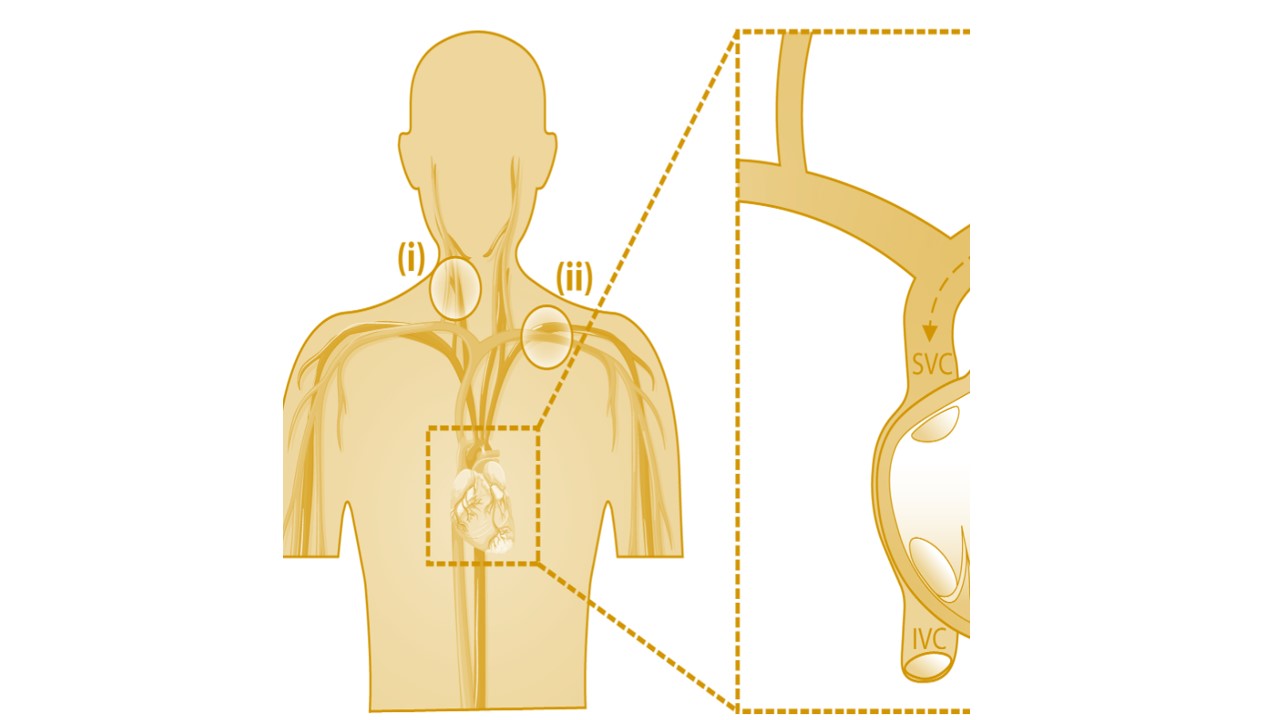
Transcatheter Soft Robot
Problem: Meshes, or ‘stents’, are frequently used in arterial surgical procedures, particularly in cardiac surgeries. But there significant limitations on how flexible movements can be performed with these methods.
Solution: Flight simulator systems operate on a unique ‘Stewart’ platform that allows for six degrees of movement to recreate the x, y, and z axis of movement. The invention seeks to create this same freedom of movement within the limited confines of anartery.
Benefit: Computer simulations demonstrate that horizontal motion, vertical motion, and circular motion may be achieved. By varying the bending angles of the legs, the center of the upper plate may be propelled forward in a horizontal direction, creating considerably improved flexibility in surgical procedures.
Transparent Wood
Problem: Glass is a predominantly used substrate in most currently used optoelectronic devices.
However, plastic is used as a substrate if the device needs to be flexible. Glass
and plastic have advantages and drawbacks, but neither is environmentally friendly
after the device's lifetime.
Solution: The use of a particular substrate in such optoelectronic devices is dependent on the three primary properties: (i) mechanical strength, (ii) optical transparency,
and (iii) maximum processing temperature. Recently, modified wood has emerged as an
environmentally friendly substrate for optoelectronics, energy storage, and biomedical
devices.
Benefit: Transparent wood offers impact resistance, sustainability, lightweight, thermal insulation, transparency, and transmittance. Natural wood (NW) has three fiber-reinforced biopolymers: cellulose, hemicellulose, lignin, and various pigments. The distinctive chemical and structural properties of wood facilitate load-bearing and water-transporting ability and attune the mechanical, thermal, ionic, and optical properties toward sustainable implementations.
Agentic AI Security
Problem: Artificial intelligence progress has introduced new challenges in the realm of cybersecurity.
Traditional security measures, designed primarily for conventional software systems,
may not adequately address the unique vulnerabilities and potential risks associated
with agentic AI applications.
Solution: AI systems have become increasingly sophisticated and prevalent across various domains,
from healthcare and finance to transportation and entertainment. As these systems
evolve to handle more complex tasks autonomously, they are often referred to as agentic
AI systems capable of perceiving their environment, making decisions, and taking actions
to achieve specific goals.
Benefit: A zero-trust security framework server and the adversarial resilience defense server are configured to monitor and protect communications between a software application, an agentic AI model, retrieval augmented generation (RAG), and communication with other AI agents data through the network.
Bioskin
Problem: There is a lack of affordable, reliable, and human-like tactile sensing in robotic
systems. Existing commercial tactile sensors are prohibitively expensive, complex
to manufacture, and often limited to a single sensing modality, making them impractical
for large-scale robotic applications.
Solution: This design improves sensing fidelity, robustness to electromagnetic interference,
and manufacturability. The invention enables natural and safe human-robot interactions
and makes high-performance tactile sensing accessible for research, industrial, and
consumer robotics applications.
Benefit: Bioskin provides a cost-effective, multi-modal tactile sensor capable of detecting normal force, shear force, and temperature, while also integrating active thermostatic control to mimic human skin’s temperature regulation.
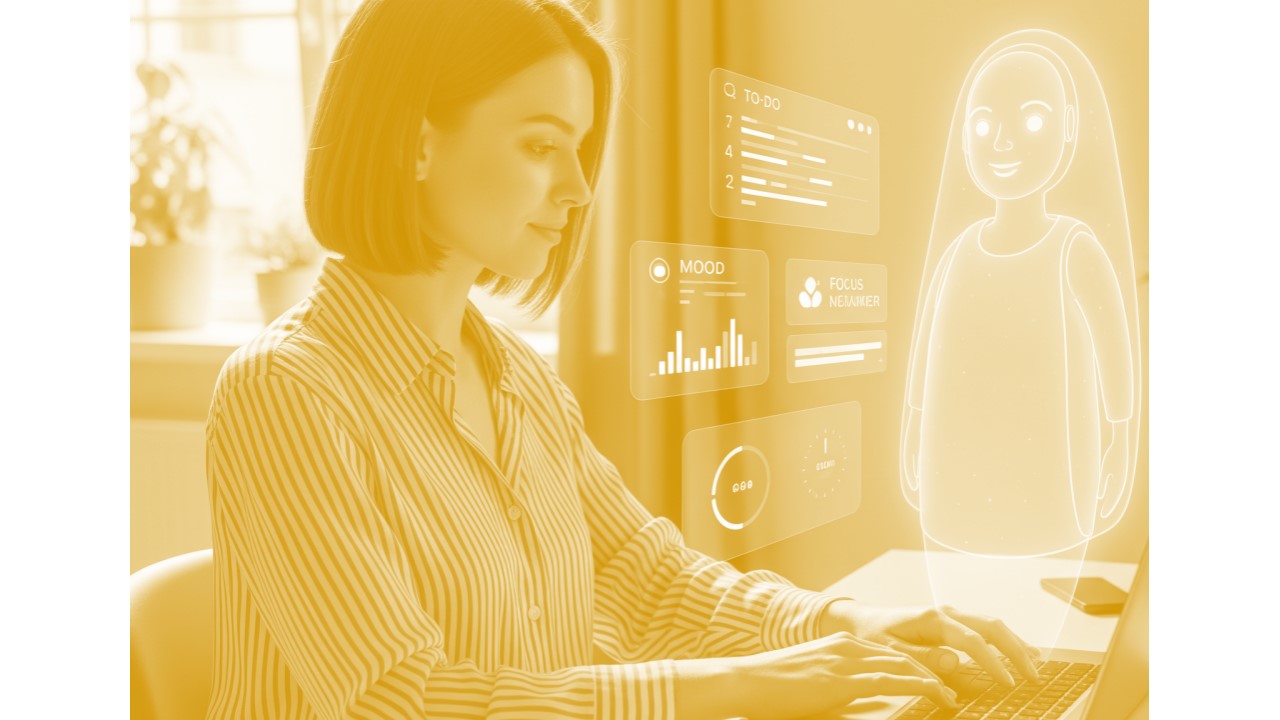
AI Buddy
Problem: Multiple studies have shown that access to Artificial Intelligence (AI) for educational purposes often has an adverse effect on many educational outcomes because students are often using the AI systems to decrease their active engagement with the material they are learning.
Solution: The Protégé Effect is a psychological phenomenon that describes how a student can improve their understanding of material that they are learning by teaching what they have learned to someone else.
Benefit: Our framework uses AI to help students learn any given material in a more productive manner based on proven approaches in research on learning and epistemology. By teaching, preparing to teach, or even pretending to teach, it enhances a person's understanding and retention of the material. In our framework, the AI-Buddy will act as a “near peer” of a student, prompting that student to attempt to teach the AI-Buddy any particular material they are learning.
Bioinspired Networking
Problem: Interconnected applications impose new demands on communication networks, requiring
them to handle high data volumes, support real-time exchanges, and dynamically adapt
to fluctuating conditions. Traditional networking models, reliant on centralized processing
and static protocols, are insufficient to meet these evolving needs, resulting in
inefficiencies, latency, and scalability issues.
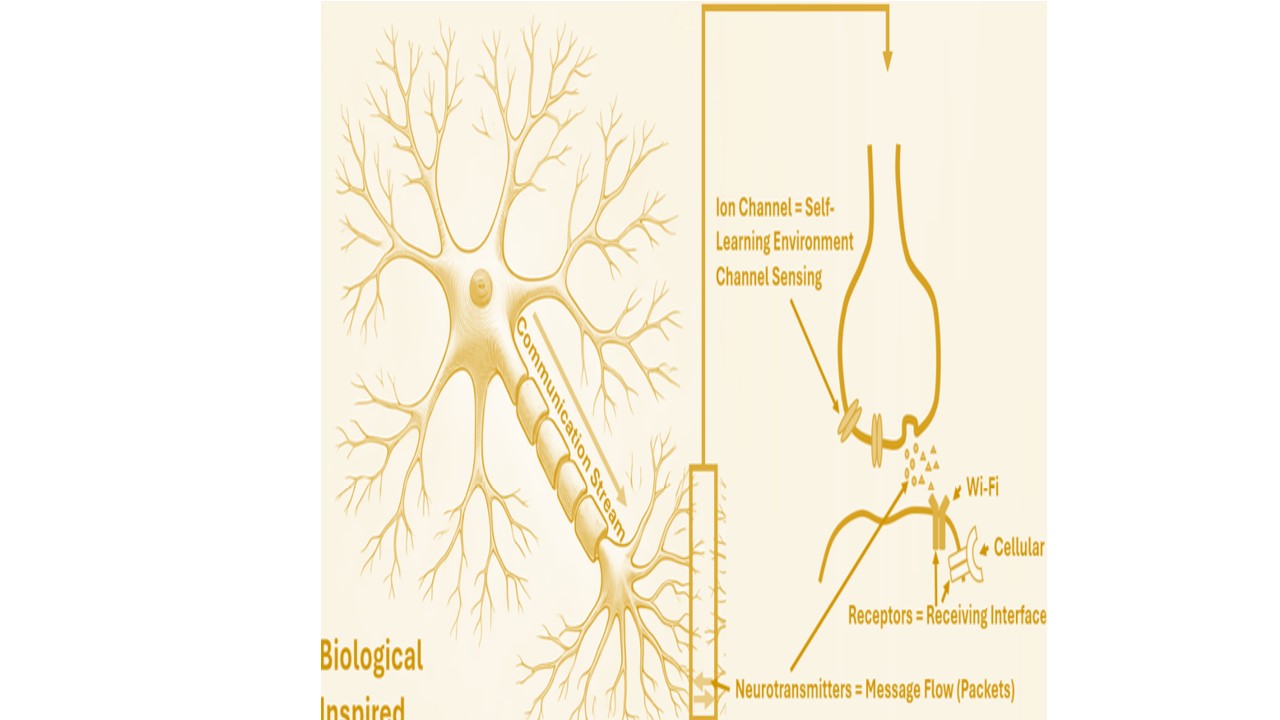
Solution: A biologically inspired networking paradigm mimics neurobiological principles such as event-driven communication, distributed intelligence, and adaptive resource management. By conceptualizing data types as analogous to neurotransmitters and infrastructure learning as synaptic plasticity, the framework provides a scalable solution that enhances efficiency and resilience.
Benefit: The model is particularly suited for resource-constrained environments, optimizing resource allocation and communication pathways in real time. Simulations demonstrate significant improvements in latency, resource utilization, scalability, and reliability, proving its potential as a foundation for next-generation networks.
Adaptive Communication System
Problem: Conventional communication networks often rely on centrally managed protocols, static routing tables, or periodic polling to manage traffic. Such approaches may result in inefficiencies, including high latency, wasted bandwidth, and poor adaptability when network conditions change. Solution: We propose managing digital communication in ways that may be modeled after how biological neurons work. A network device may generate a data state and may determine if that data state satisfies a threshold condition before transmitting a data packet, which may help reduce unnecessary traffic. Benefit: By incorporating the biological concept of memory, where past experiences influence future actions, the network self optimizes to maintain performance under varying conditions. This makes the proposed approach particularly suitable for environments with constraints such as limited bandwidth and power, where real-time adaptability is crucial.
Fiber-Reinforced Concrete
Problem: Traditional building construction materials have limitations in terms of durability,
fire resistance, and mechanical properties. Improvements are needed.
Solution: A fiber-reinforced lightweight concrete composite includes Portland cement, biofibers
with high molecular weight, biofibers with low molecular weight, fine aggregate sand,
fine aggregate gravel, glass fiber, and hydroxypropyl methylcellulose.
Benefit: The composite has a lower density and improved mechanical properties compared to conventional drywall materials, such as less brittleness and more fire resistance. The improved mechanical properties may result in greater durability and longevity of wall systems, potentially reducing maintenance and replacement costs over time.