


Academic Advising


What is Aerospace Engineering?
The Aerospace Engineering program at Kennesaw State University provides a robust foundation in engineering, mathematics, and science, preparing students to tackle complex challenges in the design and development of aerospace systems. This comprehensive program emphasizes both theoretical knowledge and practical skills, with early exposure to system design concepts culminating in a yearlong senior capstone design project. This capstone experience involves team-based projects addressing real-world challenges from industry, government, or professional engineering societies, enhancing problem-solving and teamwork abilities.
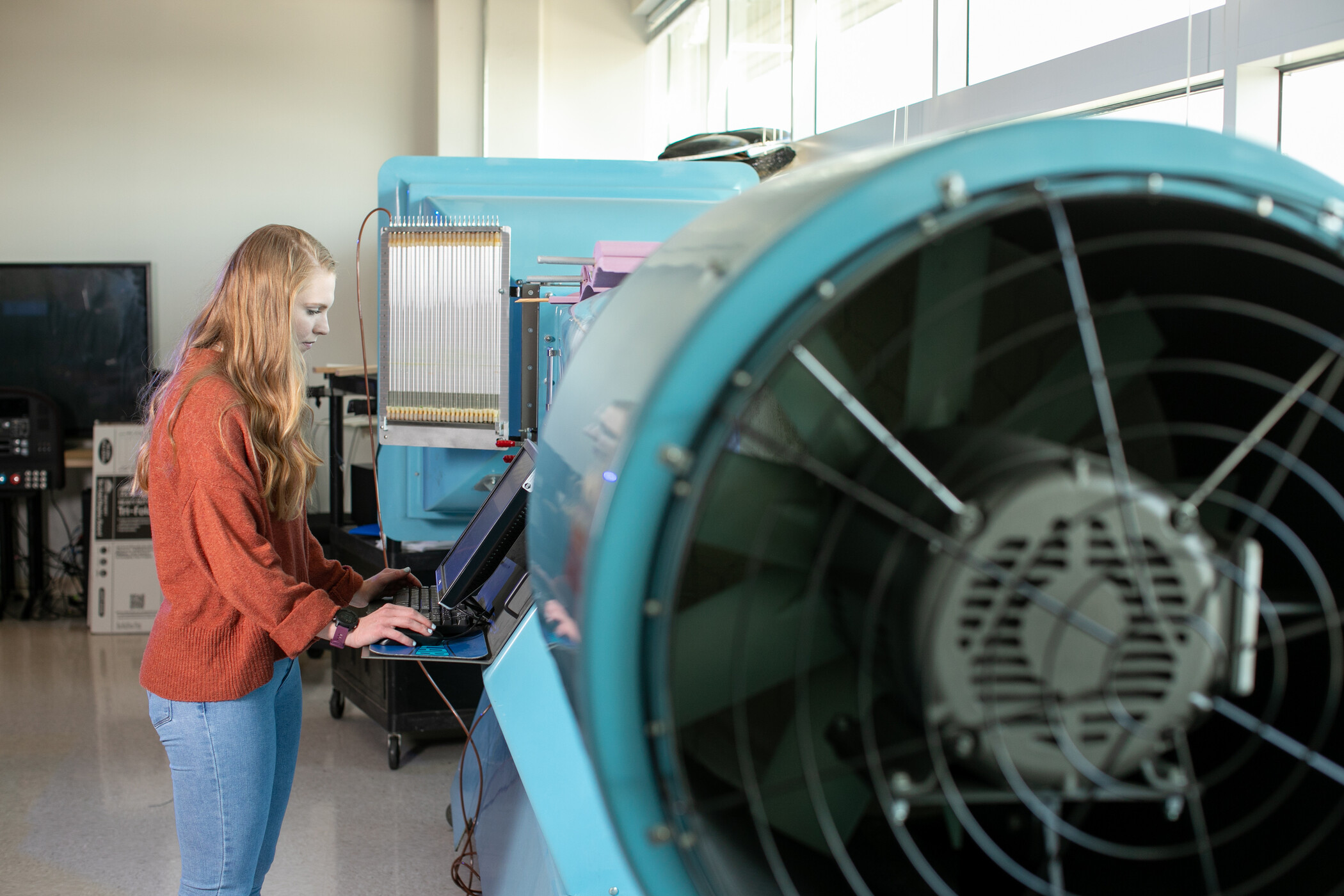
The program comprises two concentrations. The Aeronautics concentration focuses on machines that operate within Earth’s atmosphere, such as airplanes, helicopters, drones, and wind turbines. It focuses on the principles of aerodynamics, structures, propulsion, controls, and the engineering of systems to enable safe and efficient operation. On the other hand, the Astronautics concentration involves the study and design of vehicles and systems that operate beyond Earth’s atmosphere, including spacecraft, satellites, and space exploration technologies. It encompasses the science of space travel, orbital mechanics, navigation, and communication in space environments.
Students gain firsthand experience using state-of-the-art resources, such as wind tunnels and structural testing facilities, and may participate in projects like designing, building, and testing unmanned aerial vehicles and small spacecraft. Graduates are well equipped for careers in aerospace and related industries, government labs like NASA, Air Force, and further academic pursuits.