


Vertically Integrated Projects

Goals
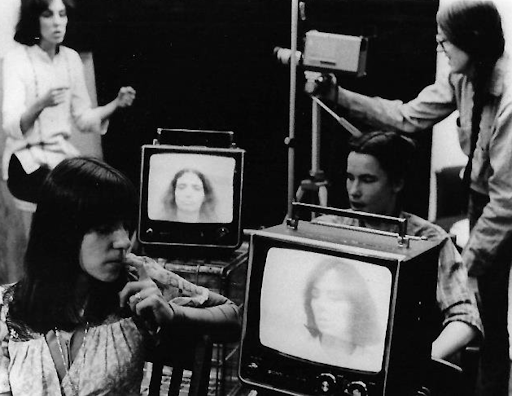
The goals of this project are to recover, document, and activate Atlanta's overlooked histories of experimental media, video art, and broadcast-based practices from the 1960s through the 1990s, positioning the city as a critical site within the broader history of American media art. At its core, the project seeks to build an open-access, research-driven digital archive that maps the artists, institutions, exhibitions, and networks that shaped local new media arts ecosystems. Rather than functioning as a static repository, this archive is conceived as a living platform that supports ongoing discovery, reinterpretation, and public engagement. A central goal is to translate archival research into public-facing projects, including curated screening programs, digital exhibitions, and accessible scholarly writing that bridges academic and public audiences. The project also aims to generate sustained scholarly impact through peer-reviewed articles and, ultimately, a book-length study that challenges dominant coastal narrative of media art history by foregrounding Atlanta's role in experimental television practices and the electronic arts.
Equally important is the project's pedagogical mission: to train students in archival research, digital humanities methods, and collaborative knowledge production while embedding them in real-world scholarly and curatorial processes. As the project matures, a key objective is to scale its scope and visibility by establishing partnerships with local as well as national cultural organizations such as Electronic Arts Intermix (EAI), The Museum of the Moving Image, or Gray Area, enabling broader collaboration and long-term sustainability.