The VIP Model


The Vertically Integrated Projects (VIP) learning model is designed to facilitate multidisciplinary, team-based learning by connecting students with ambitious faculty-led research. In VIP teams, undergraduate students work with faculty on long-term, high-impact research projects at KSU. These projects involve large teams that include faculty and students along with anyone else who may contribute, such as postdocs, staff, community members, collaborators at other institutions, etc. Though VIP is structured as a semester-long course, the team operates like a lab group which gives undergraduates the unique opportunity to engage in research and innovation without the traditional class model. Furthermore, since it is structured as a course, VIP gives students the unique ability to get involved with solving real-world issues while earning academic credit. 

As part of a larger consortium, the VIP model deepens the scope and scale of research being conducted around the world. The VIP Consortium is a collection of higher education institutions who are committed to fostering these partnerships. 

visit vip consortium
Frequently Asked Questions

  • "Vertically Integrated" refers to the fact that there are several levels of researchers working together on a project (for example, sophomores who learn from seniors who learn from graduate students who learn from faculty). Everyone works together in a vertically integrated way.
  • The purpose of VIP is to help facilitate large-scale, long-term research projects involving at a minimum full-time faculty and students. Others who might be involved include staff members, part-time faculty, co-investigators at other institutions, community partners, postdoctoral fellows, etc.
  • The application for new VIP Teams typically opens in the spring semester, to allow awarded teams the opportunity to recruit students for the next academic year.

  • The VIP program is open to all students of all majors at all levels. You can join a team that aligns with your major or outside of your major, although we advise you to consult with your academic advisor regarding how VIP credit can fit into your degree program. 

    After finding a team that interests you, a student application must be completed. Students may only apply to one team at a time. If your initial application is not accepted, you can re-apply to another team. 

  • The VIP Consortium discourages “volunteers," requiring that students earn academic credit and a grade as part of their participation in VIP. 

    We encourage PIs to ensure that any KSU students that join mid-term submit an official application and are registered for the RES course for the next available semester.

    Student should enroll in RES4000 or RES7000 each semester. They will not retroactively receive academic credit for research done as a volunteer, only as an officially enrolled student.

  • VIP labs count as electives. Students should speak with an academic advisor to plan ahead and understand how credits count in their major.

    Student applications will be opened/closed based on normal class registration dates, with the option to enroll in 1-3 credit hours for RES 4000 or RES 7000.

    • Students who register for 1 credit hour can expect to spend about 3 hours working on their projects each week.
    • Students who register for 2 credit hours can expect to spend 4-6 hours working on their projects each week.
    • Students who register for 3 credit hours can expect to spend 6-9 hours working on their projects each week.
  • If you have any questions on applying and enrolling, please email our@kennesaw.edu. 


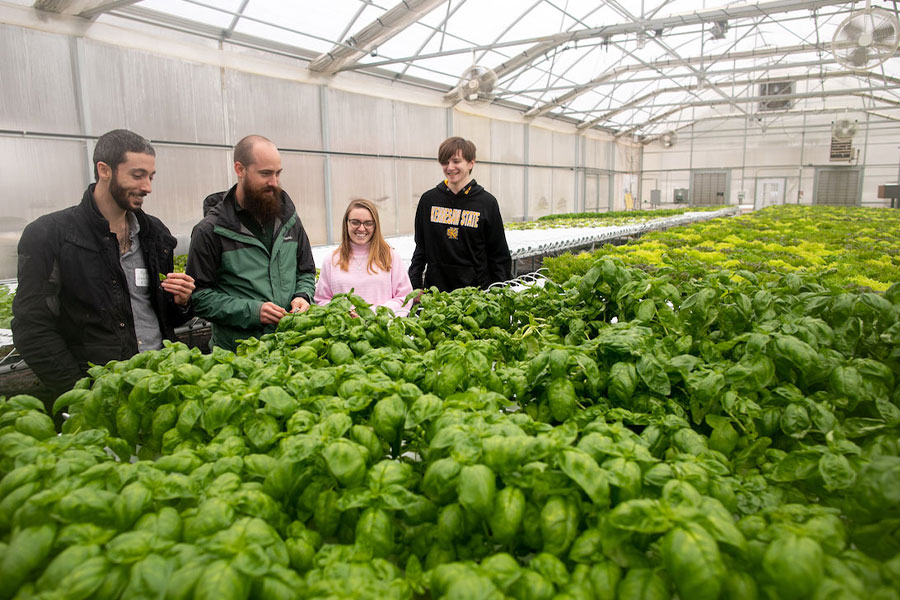
ksu students at the field station looking at plants.