


Vertically Integrated Projects

Goals
This project bridges gaps in access through storytelling and information design. Approximately 28.7% of the population has a disability, according to a 2022 CDC report, and 20.5% of undergraduate students reported having a disability in 2019-2020 (National Center for Educational Statistics). However, the National Disability Center for Student Success reported that only 41% of surveyed students disclosed disability information to their instructors (and only 30% to staff). Furthermore, starting in April 2026, the Department of Justice will require all online communication at state institutions such as KSU to align with WCAG 2.1 accessibility standards. Successful compliance will require full participation from all members of the university community.
This project thus aims help students navigate the process of seeking accommodations more transparently in order to access the resources they need. Additionally this project will help faculty understand the reasons, stories, and people behind accessibility requirements so as to meet these design goals more purposefully and effectively.
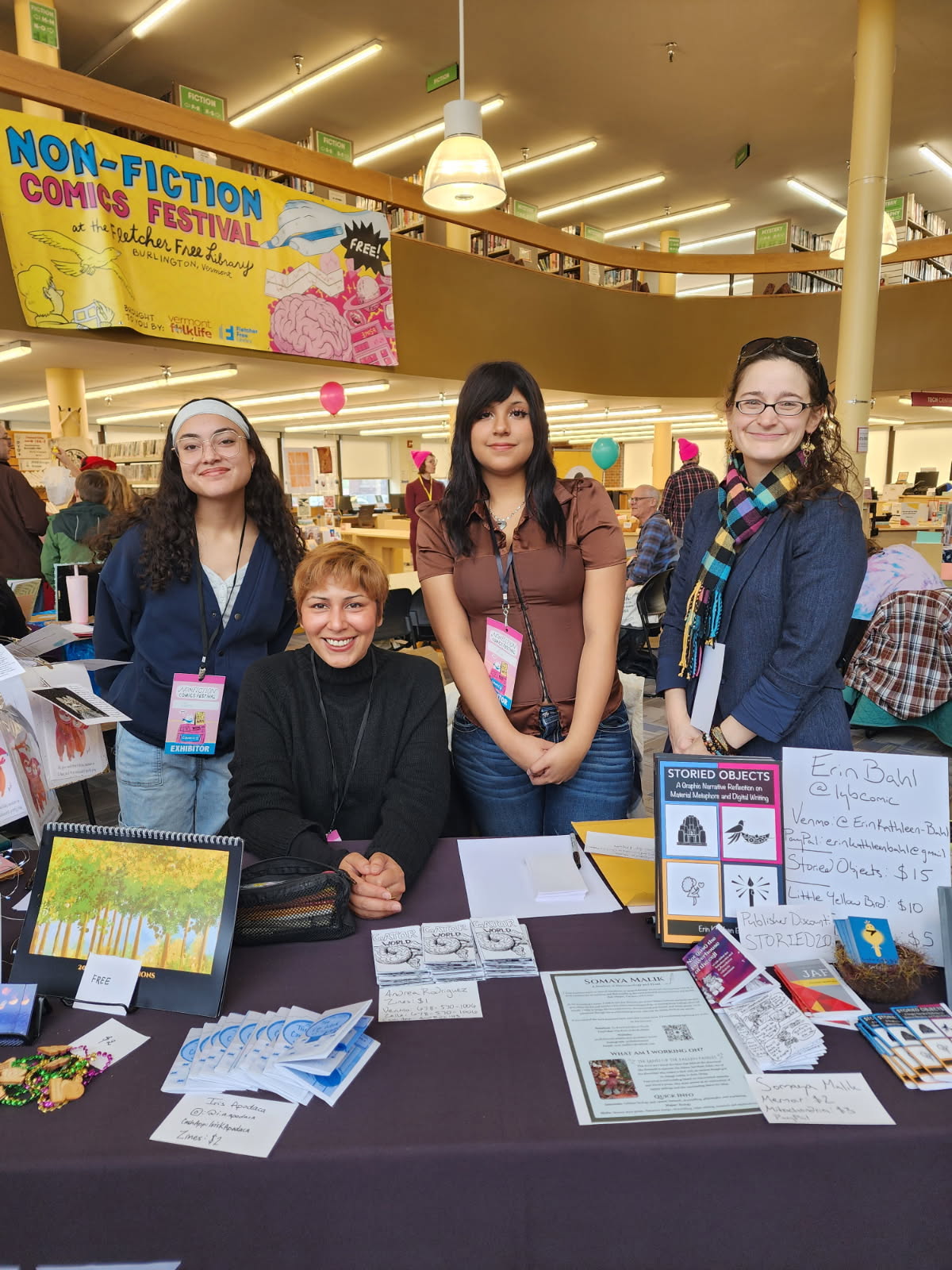
Our research focuses on user experiences, information design, and user advocacy, for which comics provide one strong solution as narrative medium (Bahl et al.). Requesting disability accommodations often involve complex procedures, specialized language, and emotionally charged interactions that can be difficult to navigate. This project seeks to translate these experiences into visual stories that make access pathways clearer and more tangible. Graphic narratives combine images, words, sequencing, and pacing to communicate information in multiple ways, accommodating diverse learning styles and cognitive needs. Through this approach, abstract policies are transformed into concrete, relatable narratives that reflect how students actually experience access, accommodation, and support.
Ultimately, this project positions graphic and comic narratives as a powerful method for making accessibility experiences vividly concrete and transparent, bridging the gap between policy and experience, and reaffirming access as a shared responsibility within the academic community for all stakeholders involved.