


Snippets


The Blog Posts snippet provides a way to display posts from a blog on any page of your site.
Display Styles
Featured

Kennesaw State researcher receives $250,000 NSF grant to enhance construction education
Kennesaw State scares up experts for Halloween season
Why fear is fun: Kennesaw State professors explore the psychology of horror
Kennesaw State hosts former NASA rocket scientist Olympia LePoint in latest Presidential Lecture Series talk
Bulleted List
- Kennesaw State researcher receives $250,000 NSF grant to enhance construction education
- Kennesaw State scares up experts for Halloween season
- Why fear is fun: Kennesaw State professors explore the psychology of horror
- Kennesaw State hosts former NASA rocket scientist Olympia LePoint in latest Presidential Lecture Series talk
Teaser (with Photo)
-
Kennesaw State researcher receives $250,000 NSF grant to enhance construction education
Kennesaw State University researcher Minsoo Baek has received a $250,000 National Science Foundation (NSF) grant to develop technology that could help construction management students navigate real-world challenges before entering the workforce.
-
Kennesaw State scares up experts for Halloween season
From the psychology of fear to Georgia’s booming Halloween economy, Kennesaw State University faculty have insight into the science, business and traditions behind the spooky season. Whether you’re exploring why we love a good scare, learning more about the state’s giant Joro spiders or examining the dollars behind Halloween spending, KSU experts are available to bring these seasonal stories to life.
-
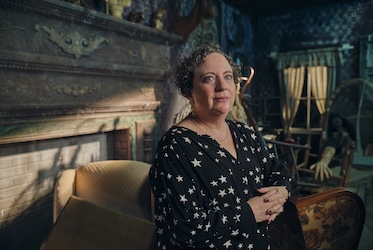
Why fear is fun: Kennesaw State professors explore the psychology of horror
Monsters, bloodcurdling screams, howling ghosts, and being chased by a chainsaw-wielding stranger are elements that make a great night out for many people. As Halloween nears, making late-night trips to haunted houses is a much-anticipated event for many. But why do we go out of our way, and even pay, to scare ourselves for fun? Kennesaw State University Associate Professor of Psychology Nicole Martin says part of the answer lies in chemistry. The jump scares of horror movies and haunted houses cause the release of hormones that can be pleasurable for many.
-
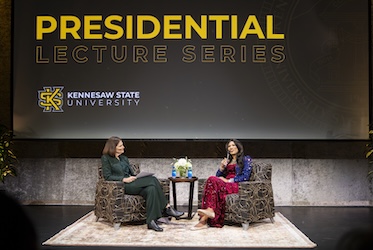
Kennesaw State hosts former NASA rocket scientist Olympia LePoint in latest Presidential Lecture Series talk
In the latest installation of its Presidential Lecture Series, Kennesaw State University welcomed former NASA rocket scientist, award-winning author, and educator Olympia LePoint to speak about reprogramming the brain to overcome fear.