Data governance at Kennesaw State University is a shared, institution-wide responsibility
that requires coordinated participation across academic, administrative, and operational
units. The Office of Data Strategy provides leadership, facilitation, and technical
enablement, while two standing committees, the Data Governance Executive Committee
(DGEC) and the Data Stewards Committee (DSC), carry out the ongoing work of establishing
and maintaining sound data practices across the University.
This model recognizes that institutional data are created, maintained, and used across the University to support teaching, learning, research, student success, finance, compliance, and operations. Data governance is therefore not the responsibility of any single division or office, but a collaborative framework designed to ensure that data are accurate, secure, accessible, and used responsibly to advance KSU’s mission. The institutional data governance structure is developed in alignment with University System of Georgia (USG) expectations, as outlined in the USG Business Procedures Manual 12.0, Data Governance and Management.
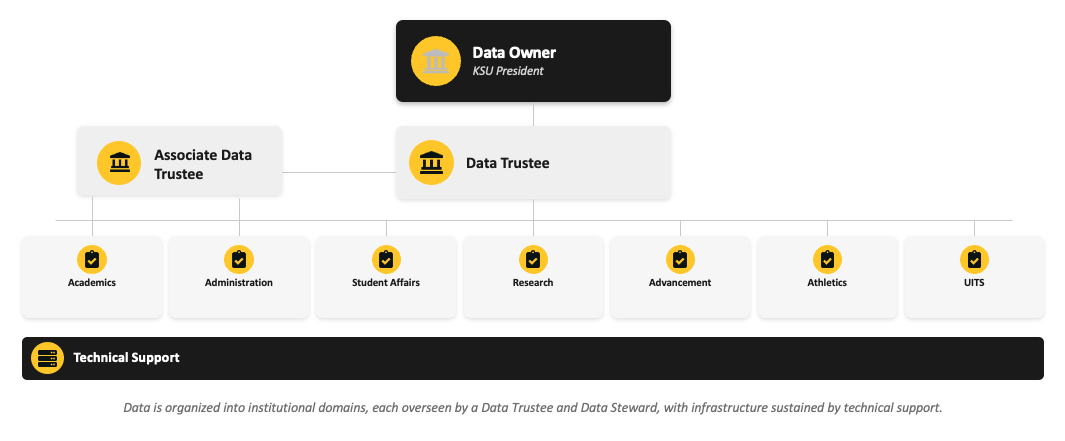
Data governance at KSU flows from the President, as the University’s Data Owner, through the Data Trustees and Data Stewards who oversee and manage data within the seven data domains.
Data Governance Committees
Data Governance Executive Committee (DGEC)
The DGEC is composed of the University’s Data Trustees, the senior KSU executives who own institutional data assets within their functional areas. The committee sets policy direction for data governance at KSU and holds ultimate accountability for the data quality and integrity of the domains under its purview.
Data Trustees
Data Trustees are the senior-level KSU executives who own the data assets in their
functional areas and are accountable for the data quality and integrity within their
domains. Data Trustees are responsible for managing, protecting, and ensuring the
integrity and usefulness of institutional data, and for upholding KSU policies, USG
policies, and applicable state and federal laws. Data Trustees sit on the Data Governance
Executive Committee (DGEC) and appoint one or more Data Stewards for their domain.
Data Stewards Committee (DSC)
The DSC is composed of the University’s Data Stewards, who are appointed by the Data Trustees to manage data within their assigned domain. The DSC reports to the DGEC and carries out the operational work of data governance, including defining data standards, coordinating data access, and addressing data quality issues within each domain.
Data Stewards
Data Stewards are appointed by, and accountable to, Data Trustees. They sit on the
Data Stewards Committee (DSC) and help define, implement, and enforce data management
policies and procedures within their domain. Data Stewards have delegated responsibility
for all aspects of how data is acquired, used, stored, and protected throughout its
life cycle, from acquisition through disposition. A Data Trustee may delegate to a
Data Steward the authority to represent the Trustee in data-related policy discussions.
Stewards are responsible for the management and fitness of data elements, both content
and metadata, and for ensuring the quality, accessibility, and protection of data
within their domain.
Data User
A Data User has access to University data as part of assigned duties. This role includes
staff members who have direct responsibility for entering and using data.
Governance Hierarch (long description)
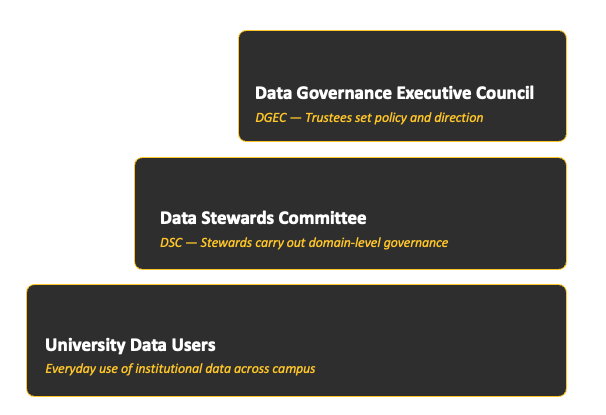
Level one, Data Governance Executive Council (DGEC): Trustees set policy and direction.
Level two, Data Stewards Committee (DSC): Stewards carry out domain-level governance.
Level three, University Data Users: everyday use of institutional data across campus.
Data Domains
Organizational Chart (long description)
At the top, Data Owner: KSU President.
Reporting below are the Data Trustee and Associate Data Trustee, shown as a connected reporting relationship.
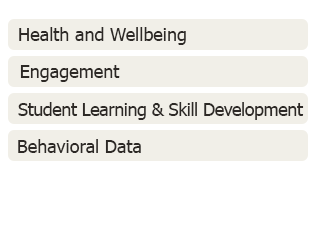
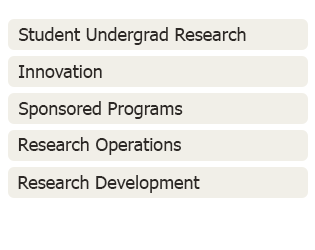
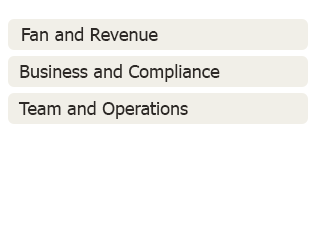
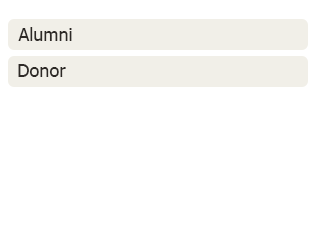
Below them are seven institutional domains:
Academics
Administration
Student Affairs
Research
Advancement
Athletics
UITS
Technical Support spans the full width beneath all domains.
Caption: data is organized into institutional domains, each overseen by a Data Trustee and
Data Steward, with infrastructure sustained by technical support.
The work of the Data Stewards is organized across seven data domains:
Asset. KSU is the owner of all university data assets. The governance framework delegates responsibilities for data trustees and data stewards.
Accessible. Data should be made accessible and data governance should be as least restrictive as possible while minimizing risk to the university (e.g., privacy, security, compliance).
Efficient. Data governance processes should be standardized and as automated as possible to keep current with changes in data and data processes.
Continuous Improvement. Policies and processes and procedures should be regularly evaluated as data and university needs change over time to ensure continued effectiveness and to seek opportunities for improvement. Data governance is an ongoing process.
Scope: The tenets and practices of the data governance framework are focused on enterprise data, which is used for accreditation, compliance, and findings impacting the institution.
Compliance
Effective management of data content, access, and usage is essential to comply with
federal, state, local laws, and grant or contract requirements. Kennesaw State University
is tasked with handling data responsibly to ensure that confidential information is
correctly classified and protected. The university has established policies and procedures
to ensure that relevant staff are knowledgeable about the applicable regulations.