Plenary Speakers

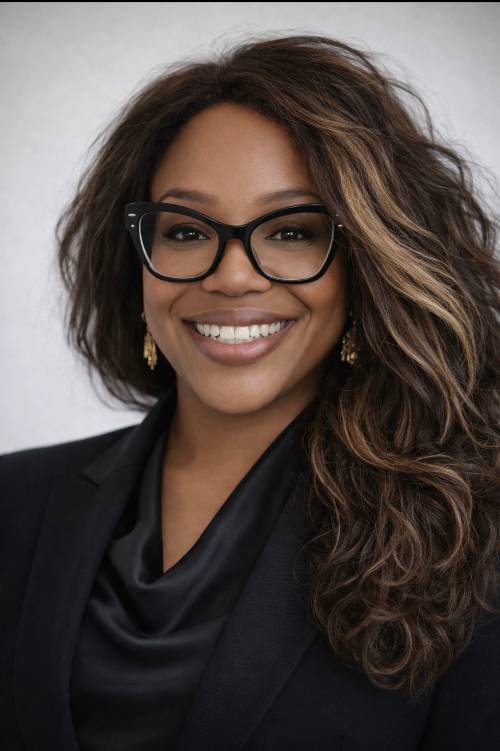
danielle headshot

Danielle Gray-Singh, Ph.D

Professor of Biological Sciences, Clark Atlanta University, Georgia, United States

Dr. Danielle N. Gray-Singh is a Professor of Biological Sciences at Clark Atlanta University and a tenured neuroscientist with research interests in neurodegenerative disease mechanisms, metabolic dysfunction relevant to Alzheimer’s-related pathways, and maternal-fetal health. She provides leadership for federally funded training initiatives that guide undergraduates into research and graduate education in STEM, with a focus on measurable student outcomes and high-impact mentoring structures. Her scholarship of teaching and learning explores rigorous, evidence-based pedagogy in gateway and upper-division STEM courses, alongside emerging questions about generative AI, bias, and assessment integrity.  Dr. Gray-Singh draws on a career shaped by science, mentorship, and lived awareness of vulnerability to advance teaching that is both demanding and humane, preparing students to safeguard health, truth, and continuity of care where resources are scarce and the stakes are real.  

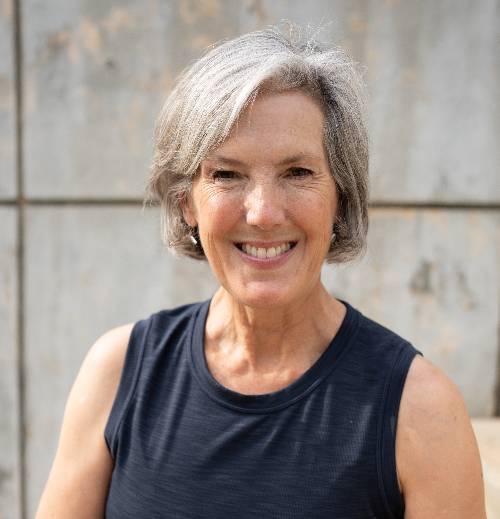
susah hrach smiling

Susan Hrach, Ph.D

Professor of English and Faculty Center Director, Columbus State University, Georgia, United States.

Susan Hrach, PhD, ACC, is the author of Minding Bodies: How Physical Space, Sensation, and Movement Affect Learning (WVU Press), winner of a 2022 Silver Nautilus Award. A Fulbright Canada Distinguished Research Chair in the Scholarship of Teaching and Learning, Dr. Hrach brings an embodied approach to faculty development, professional coaching, and educational leadership. She most recently co-edited Transformative Coaching for Faculty and Staff in Higher Education (Routledge, 2026). For more about her work as a speaker, facilitator, and coach, see SusanHrach.com

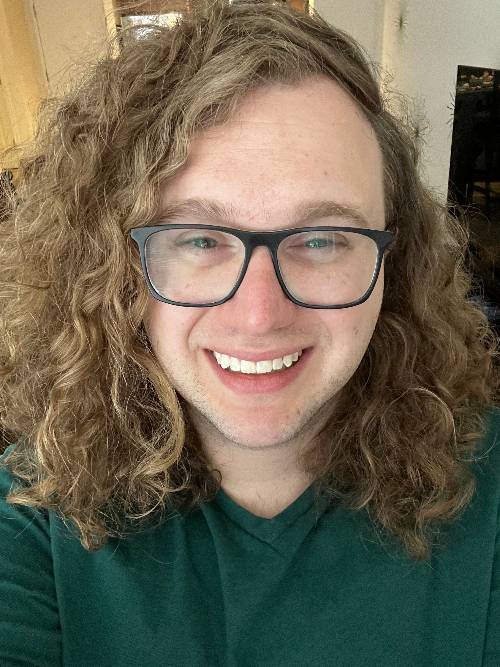
david lemmons smiling

David X. Lemmons

Instruction Coordinator and Adjunct Faculty Member, George Mason University, Virginia, United States

David X. Lemmons is the Instruction Coordinator for George Mason University Libraries, where they specialize in teaching information literacy and research skills to first- and third-year undergraduate students. They are also a PhD candidate in Higher Education at George Mason University, and their dissertation examines how academic librarians develop and sustain teaching community through peer relationships, collaborative librarian–faculty partnerships in the classroom, and engagement with the scholarship of teaching and learning (SoTL) as a professional and scholarly community. In addition to their research, David has presented nationally and internationally on supporting academic librarians in learning to teach, instructional design for librarians, and ways to support PhD students engaging with SoTL.