The Disability Access Coalition (DAC, formerly the Presidential Commission on Disability
Strategies and Resources) is a group of KSU faculty, staff, and students whose end
goal is to create a more inclusive environment for members of the KSU community who
have disabilities. Two ways we hope to reach that goal are by increasing awareness
of the lives and concerns of folks with disabilities, and by building empathy through
shared experiences.
In the Spring of 2023, we began an ongoing digital awareness campaign which would allow members of the KSU community to share their stories as a way to increase awareness. We are very grateful to share those stories with you here!
If you would like to be a part of the Disability Access Coalition or join our meetings,
please contact the chair, Kelley Price at kgermain@kennesaw.edu!
Our 2024 Campaign
This year the Disability Access Coalition decided to focus the Our Stories awareness
campaign on the lives, passions, pursuits, and contributions of people with disabilities
here in our KSU community. The campaign begins with this interview of Dr. Yvette Pegues.
Aside from being a KSU alum, Dr. Pegues is an author, researcher, speaker, and passionate
activist for the inclusion of people with disabilities. You can learn more about her
from the links below.
Meet the people behind the stories in DAC's 2023 Digital Awareness Campaign. In our
2023 campaign, we wanted to Foster Conversations on the experiences of people with
disabilities!
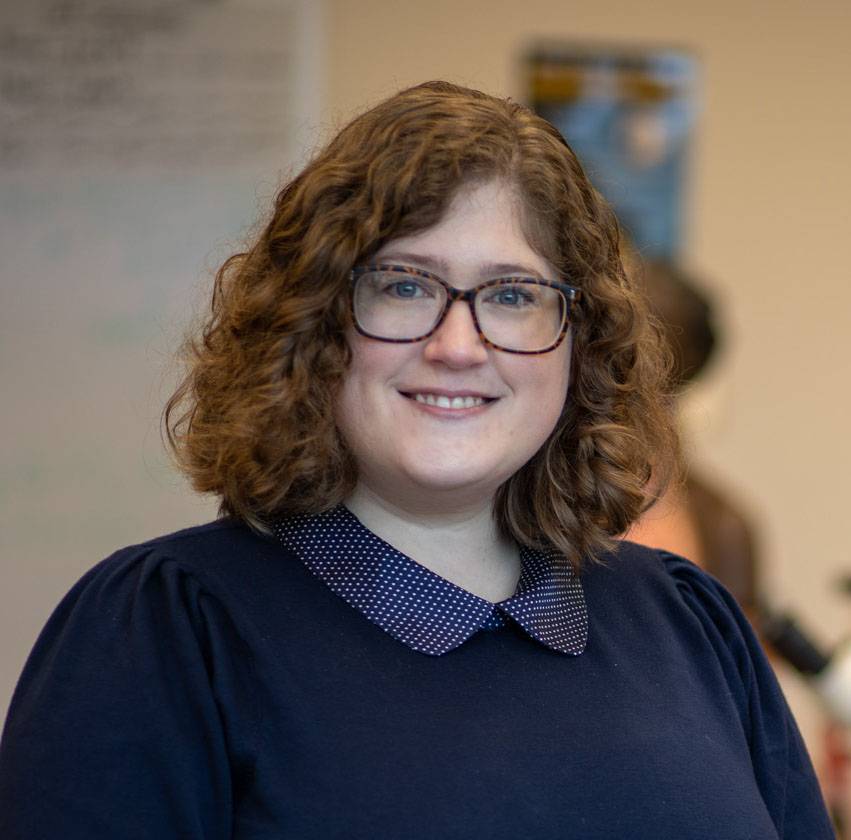
Amanda's Story
As part of the Disability Awareness Campaign in the Spring of 2023, KSU students,
faculty, and staff responded to a series of questions designed to help them share
their experiences of disability and inclusion. This is Amanda's story:
I wish people were more aware of and understanding of invisible disabilities...I’ve felt very isolated at times because I can’t look around and identify someone with depression or panic disorder to know I’m not alone.
Dr. Amanda Crider
KSU Faculty, Department of Ecology, Evolution, and Organismal Biology
Inclusion looks like meeting everyone’s needs with no stigma, shame, or being made to feel like a burden.
Inclusion is having facilities and protocols ready for people with disabilities, not added as an afterthought or simply because it’s legally required.
Inclusion is realizing that mental health conditions are as real as physical ones.
Inclusion is supporting all members of the Kennesaw State community in a way that allows them to thrive as students, faculty, and staff.
I have good days and I have bad days. I have mental health disorders including anxiety, panic disorder, depression, and ADHD, and each day is a little different for me. I utilize a combination of coping skills, prescription medications, and talk therapy to manage my disorders from day to day.
On the bad days, I have racing thoughts and stay busy so I can fight off a panic attack until I can finish teaching my classes. On the good days, I get a glimpse of what it’s like to live without these disorders. I can focus and think clearly. I can finish tasks without being too distracted or anxious to complete them.
How I cope with my disability as a faculty member looks a lot like how I coped as a student. When I am having a good day, I try to maximize what I get done and not take that time for granted. Sometimes that means I send emails at weird hours (If you are one of my students, you know what I mean!) or that I’m in my office late because I can focus at that time. I’ve curated a calming space in my office where clutter is hidden away so I can focus. I try to put things on my calendar as soon as I schedule them because I know I will forget. I make lists of tasks for motivation and so I won’t be as anxious about completing them.
I wish people were more aware of and understanding of invisible disabilities. Most days my disability is invisible to others, but that doesn’t make it any less real. I’ve been told that my mental health conditions weren’t real, that I could just “think differently” and that I would feel better. Over the years I’ve had family members, acquaintances, coworkers, and even some health professionals doubt my mental health conditions. I’ve felt very isolated at times because I can’t look around and identify someone with depression or panic disorder to know I’m not alone. I want to be that example for my coworkers and for my students.
I want anyone reading this and thinking “Wow, that sounds like me.” to realize you are not alone.
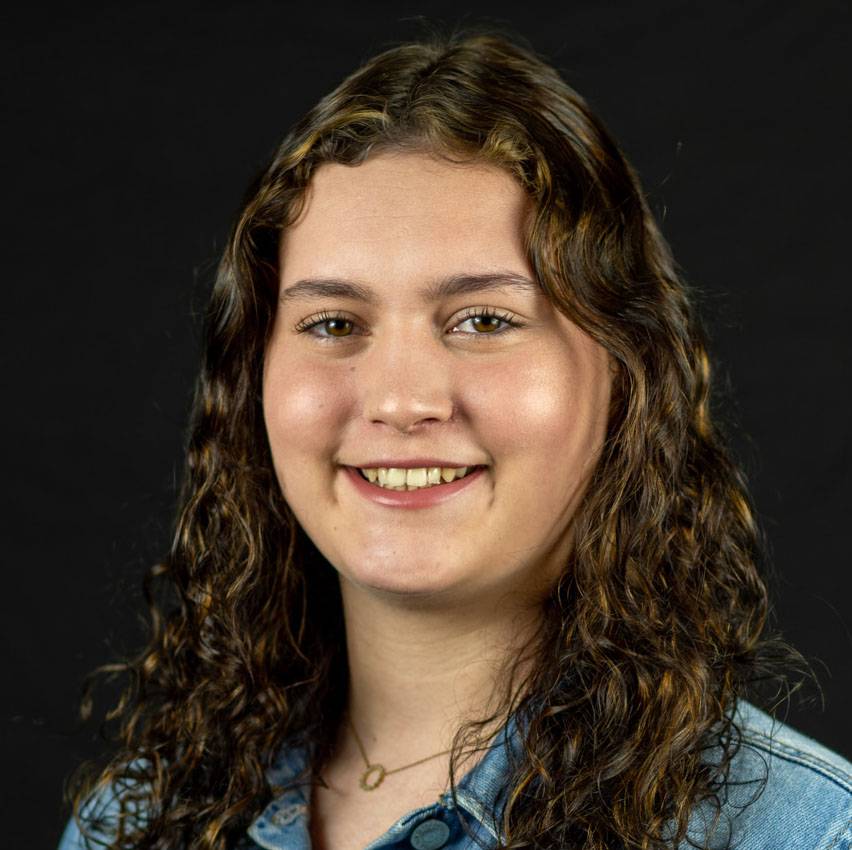
Sydney's Story
As part of the Disability Awareness Campaign in the Spring of 2023, KSU students,
faculty, and staff responded to a series of questions designed to help them share
their experiences of disability and inclusion. This is Sydney's story:
One thing I wish people knew about Type 1 Diabetes is that even the smallest error can lead to big effects...From the moment I wake up to the moment I go to sleep I have to regulate and monitor my blood sugar.
Sydney Scotch
KSU Undergraduate Student
Inclusion to me looks like a community or group that is accepting and willing to learn about others’ differences. Inclusion to me is when everyone is included in all aspects of life despite their differences. Inclusion is when no one is left out or feels like a burden because of their differences. Inclusion to me is making everyone feel welcomed and heard.
From the moment I wake up to the moment I go to sleep I have to regulate and monitor
my blood sugar. I have to check my blood sugar regularly through a app on my phone
to make sure that it is in a normal healthy range. Every time I eat, I have to measure
my food and calculate the number of carbohydrates in order to give myself the correct
dosage of insulin.
One thing I wish people knew about Type 1 Diabetes is that even the smallest error can lead to big effects. Giving yourself too much or too little insulin can have life threatening consequences on one’s health. Living with Type 1 Diabetes you have to constantly make sure your blood sugar is perfect.
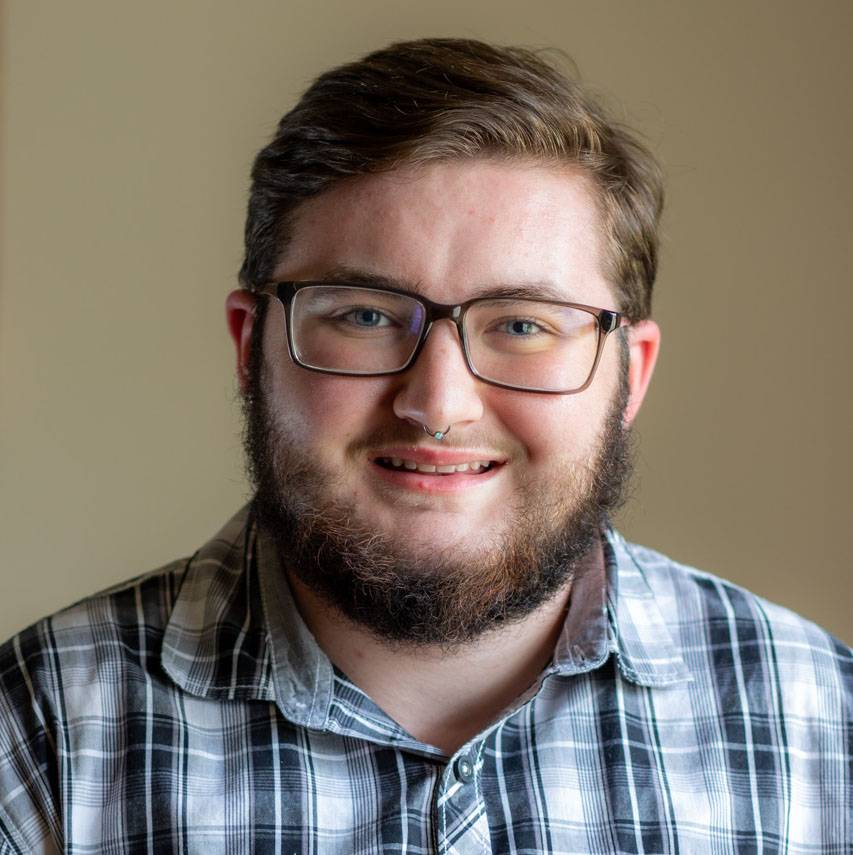
Charli's Story
As part of the Disability Awareness Campaign in the Spring of 2023, KSU students,
faculty, and staff responded to a series of questions designed to help them share
their experiences of disability and inclusion. This is Charli's story:
I wish people knew that disability is isolating… If you know someone who's disabled, reach out, they might need some extra support or just a kind word.
Charli Harper
KSU Undergraduate Student
Inclusion looks like everyone having an equal seat at the table. As disability rights activist, Judy Heumann, said "If I have to be thankful for an accessible bathroom, when am I ever gonna be equal in the community?" Disabled people deserve to be just as included in everyday life as much as abled bodied
people do.
As someone with multiple disabling chronic illnesses, everyday looks different for
me. Sometimes I need to use a mobility aid or need to be nourished through my feeding
tube. I also take many medications every day to keep my conditions controlled. What
I want people to know is that everyday I have pain and fatigue that I have to push
through and sometimes I need to use equipment to help me with that, and that's okay.
I am not more or less disabled based on whether I use my wheelchair or feeding tube
or not.
I wish people knew that disability is isolating. For me, I spend hours each week at
the hospital either getting infusions or going to appointments. I sometimes have to
miss going to social events because of my symptoms. And I have different priorities
that many others my age because of my disability. If you know someone who's disabled,
reach out, they might need some extra support or just a kind word.
A Campaign for Disability Awareness at KSU
During National Disability Employment Awareness Month, we celebrate the essential
contributions to our workplaces, economy, and Nation made by disabled Americans and
recommit to promoting equal opportunity for all people. For far too long in this country,
employers could refuse to hire you if you were disabled. Stores could turn you away.
If you used a wheelchair, there was no real way to take a bus or train to work or
school. America simply was not built for all Americans. In 1945, President Truman
established National Disability Employment Awareness Month and issued the first national
call for disabled people to access all the opportunities and rewards of work. Forty-five
years later, in 1990, the Congress came together to pass the Americans with Disabilities
Act (ADA), which helps to ensure our workforce is more productive, prosperous, and
inclusive by banning disability discrimination, including in the workplace.