The Bagwell College of Education at Kennesaw State University ranks among the nation's
top universities for educator preparation and workforce development, forging strategic
partnerships and embracing innovation. Our collaborative and inclusive culture empowers
students, faculty, and staff to thrive by fostering resilience, building confidence,
and nurturing a commitment to lifelong learning that addresses the diverse needs of
ALL learners. At Bagwell, we go beyond preparing educators; we develop visionary leaders
who elevate the profession and inspire lasting, transformative change in education.
The Bagwell College of Education is proud to partner with Horizons Atlanta to provide
a transformative summer learning experience for students from Hiram, Allgood, and
Dallas Elementary Schools in Paulding County. This year, we are celebrating our 11th
year of hosting this four-week program, serving 100 scholars in rising first through
ninth grades.
Students receive small-group instruction from certified teachers with a strong emphasis
on literacy, reading comprehension, and mathematics. At the same time, teacher candidates
from the Bagwell College of Education gain valuable classroom field experience while
utilizing Kennesaw State University resources such as the Teacher Resource & Activity
Center (TRAC) and the Innovation Lab.
Scholars also engage in a variety of hands-on STEM learning experiences designed to
spark creativity, problem-solving, and innovation. Activities include coding and robotics
challenges using Ozobots, engineering explorations with Hexbugs, and collaborative
LEGO-based design projects and artificial intelligence sessions. These interactive
experiences encourage critical thinking, teamwork, and computational thinking while
making STEM learning engaging and accessible.
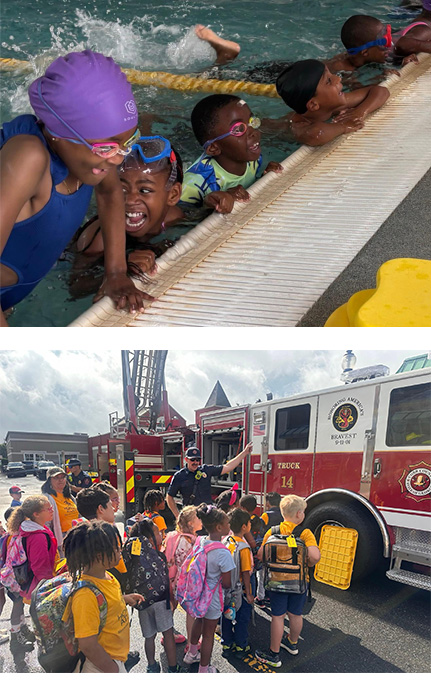
Beyond academics, scholars participate in a wide range of enriching experiences, including swim lessons at the KSU Aquatic Center, visual and dramatic arts activities, field trips, and social-emotional learning opportunities. Through meaningful engagement with KSU’s campus, faculty, students, and resources, scholars build confidence, strengthen academic skills, develop a passion for STEM, and experience the possibilities of higher education firsthand.