


KENNESAW, Ga. | Jun 1, 2026
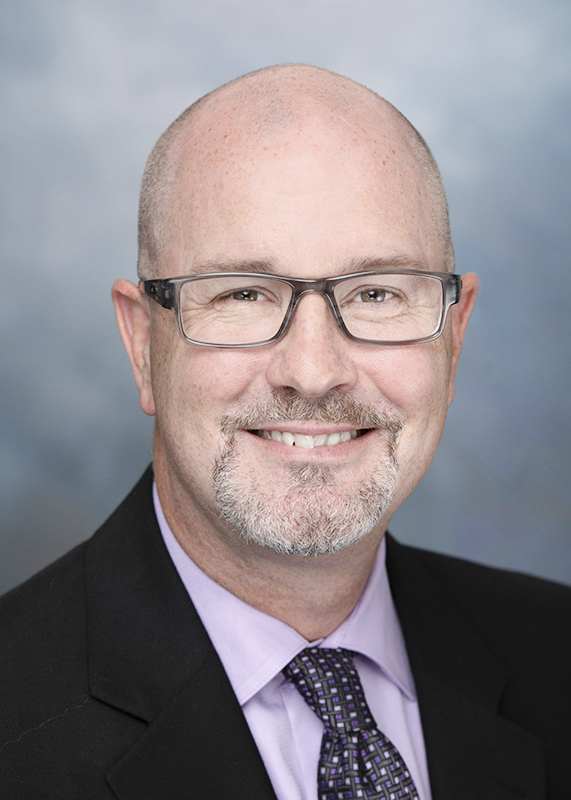
Kennesaw, GA, June 1, 2026 – Beginning August 1st, Dean A. Dabney, Ph.D., will join the Norman J. Radow College of Humanities and Social Sciences as professor and chair of the Department of Sociology and Criminal Justice. Dabney comes to Radow College from Georgia State University where he was a professor, graduate program coordinator, and former Chair of the Department of Criminal Justice and Criminology.
"The opportunity to join Kennesaw State University’s Department of Sociology and Criminal Justice as incoming department chair is an exciting next step in my career, and an opportunity to continue to contribute to a field that I am passionate about,” said Dabney. “I have long admired the rising trajectory of KSU. The institution’s commitment to student success and career preparedness aligns with my goals: which are to inspire our next generation of students and young professionals to engage in the study and research of sociology and criminal justice in preparation for careers in this field and build impactful partnerships with criminal justice agencies.'"
The Department of Sociology and Criminal Justice (SCJ) prepares students through a science and research-based curriculum to address the complex issues of justice, social change, and the impact advances in a range of technologies have on sociology and criminal justice. Through the application of both quantitative and qualitative research methods, students are challenged by a rigorous course of study that builds data gathering and analysis, and applied research skills that form the basis of new knowledge and understanding. These skills are intricately linked with how students understand the social, political, and economic forces that shape our communities.
“Dr. Dabney brings to Radow College and the Department of Sociology and Criminal Justice a depth of expertise in this field and as a department administrator that will build on the success and extensive knowledge among our faculty within the department. His research focuses on police culture and its intersection with combating violent crime is both timely and relevant,” said Dean Kaukinen. “As an R2 institution that is focused on advancing research across disciplines, I am confident that Dr. Dabney’s proven track record in securing significant federal, state, and local grant funding will grow the portfolio of research we are able to conduct in the social sciences,” she added.
The SCJ department’s dual focus on student success and preparedness, whether for careers or advanced study, and faculty development and support, creates an essential environment for creative and ground-breaking research, enhanced community awareness and engagement, and a rigorous environment in which to hone critical reasoning, problem-solving, and interpersonal and intercultural skills.
“During the search process I had the good fortune to meet with several of the department’s faculty and staff who have only fueled my enthusiasm for this new role. I believe we will work well together to grow both undergraduate and graduate program enrollment and develop strategies for opening pathways toward interdisciplinary collaborations from a curriculum, research, and community engagement perspective,” Dabney said.
In 1997 Dean A. Dabney earned his Ph.D. in sociology from the University of Florida after which he joined the faculty at Georgia State University where he has worked since that time. His leadership roles include having served as interim department chair of GSU’s Department of Criminal Justice and Criminology from 2013-2014, and he was subsequently appointed chair 2018-2023. He is also a respected leader outside academia including notably as Executive Director of the Leadership Development Institute of Georgia which provides structured leadership training to criminal justice practitioners.
As a researcher, Dabney’s work has primarily focused on the study of police culture and their efforts to combat violent crime. In recent years, he has studied the operation of homicide units, the use of confidential informants, police response to gun violence, and officer use of discretion. These projects have yielded a host of peer reviewed journal articles appearing in criminological and sociological serials. He is the author of three books including the monograph titled Speaking Truth to Power: Confidential Informants and Police Investigations (University of California Press, 2016).
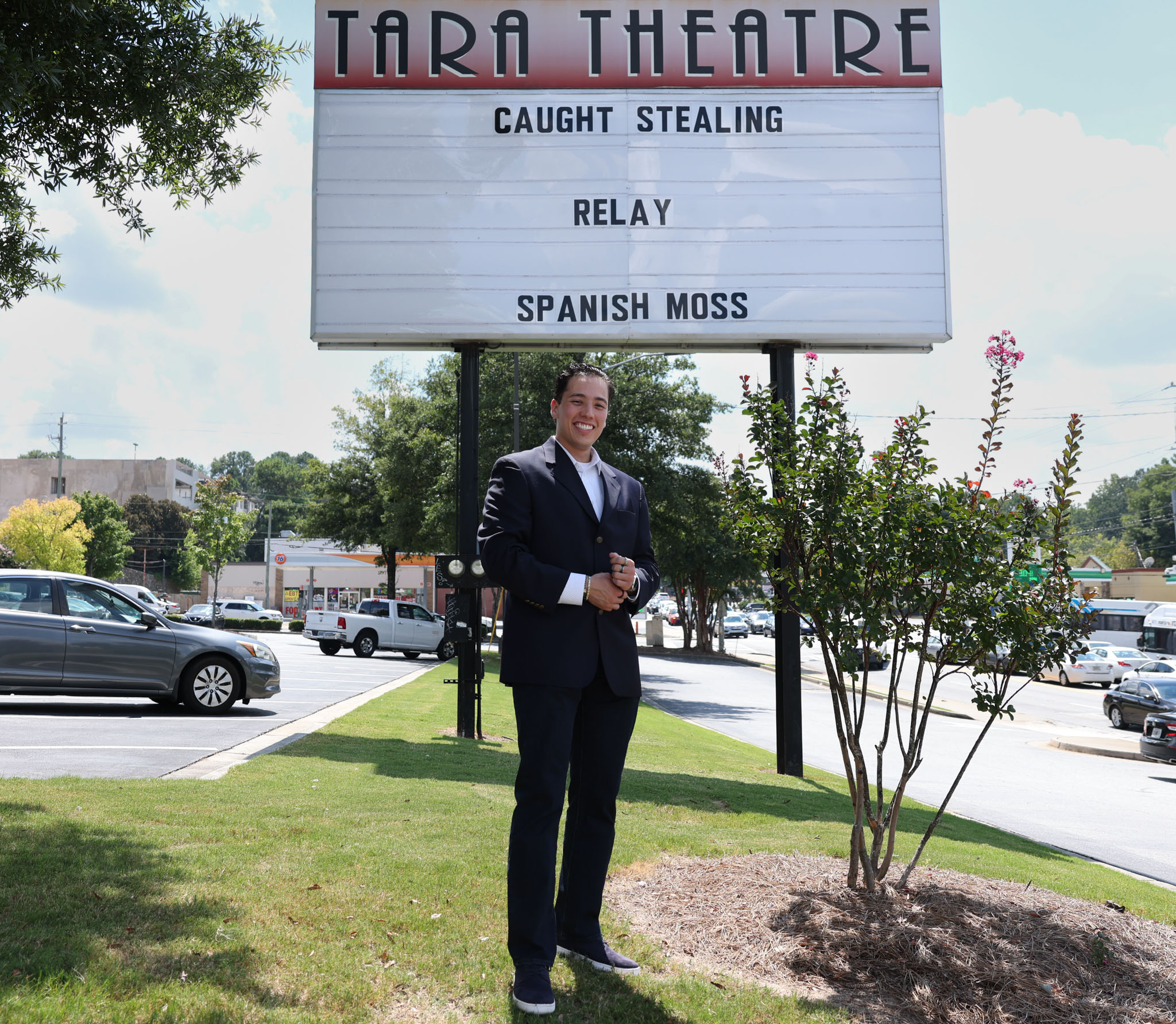
Radow College Alumnus Creates KSU's First Full-Length Feature Film
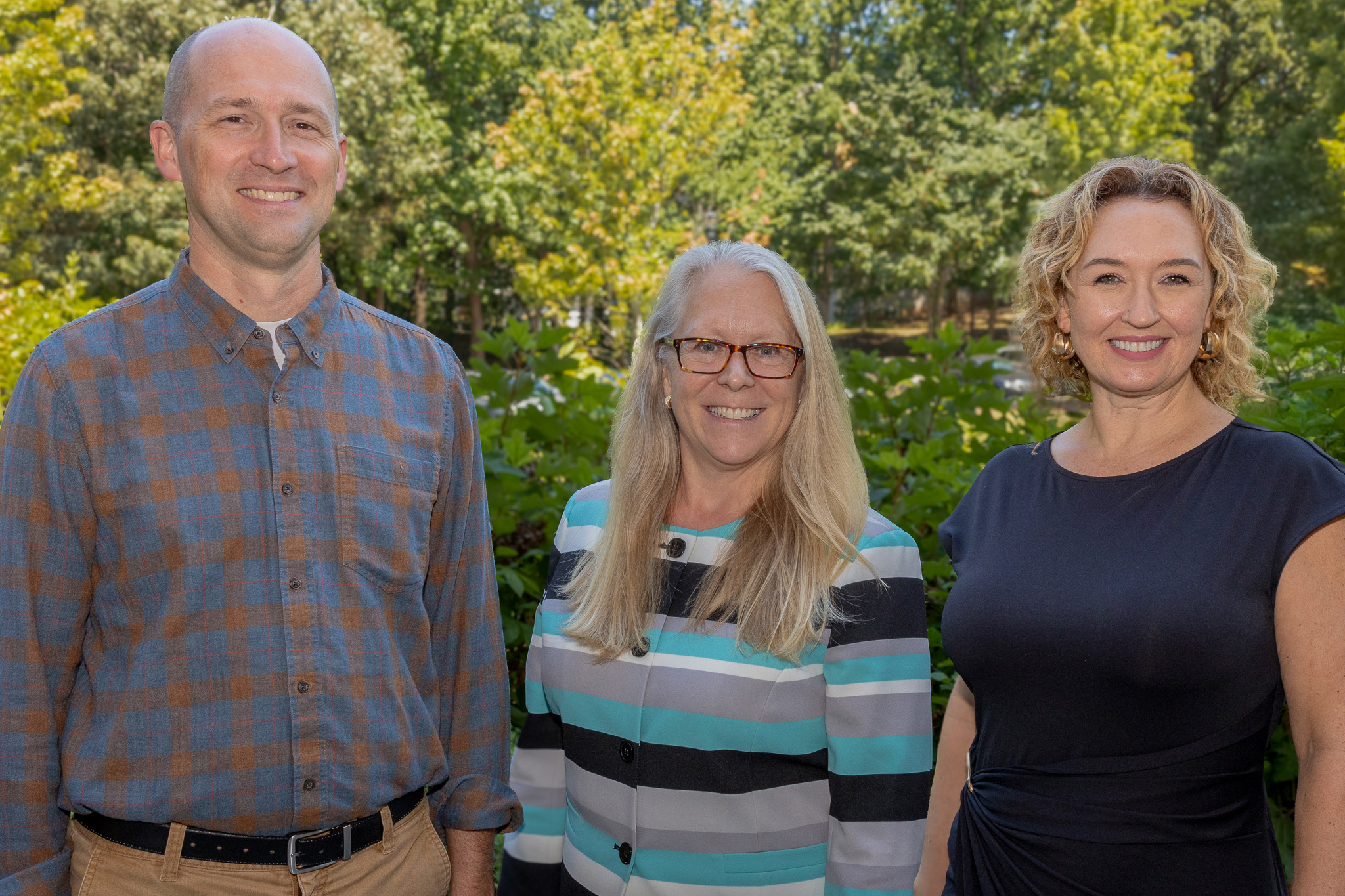
Radow College History Education and English Education Graduates Exceed National Norms for Teacher Retention
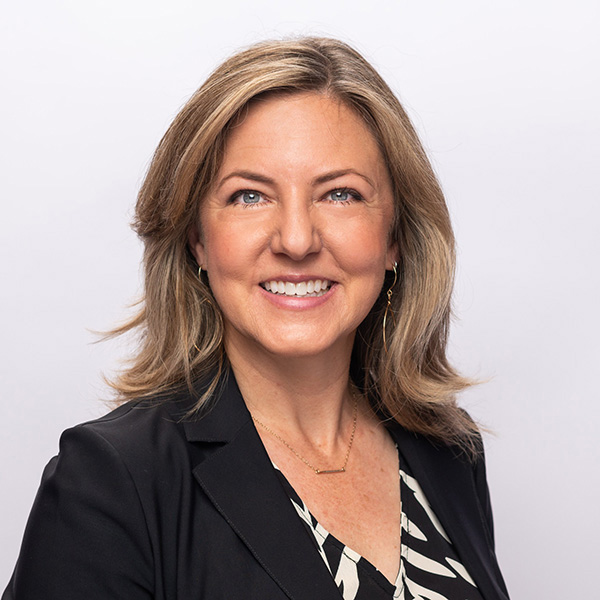
Corinne McNamara, Ph.D., as Interim Associate Dean of Student Success & Engagement
Radow College Honors Students and Donors at Annual Scholarship Reception