


KENNESAW, Ga. | Jul 1, 2026
Assistant Professor of Animation Jeremy Speed-Schwartz has co-authored a new textbook that expands the canon of animation history with a more inclusive, worldwide perspective.
When students open the second edition of A New History of Animation next term, they won't simply be reading an updated textbook — they'll encounter a fundamentally broader understanding of one of the world's most influential art forms.
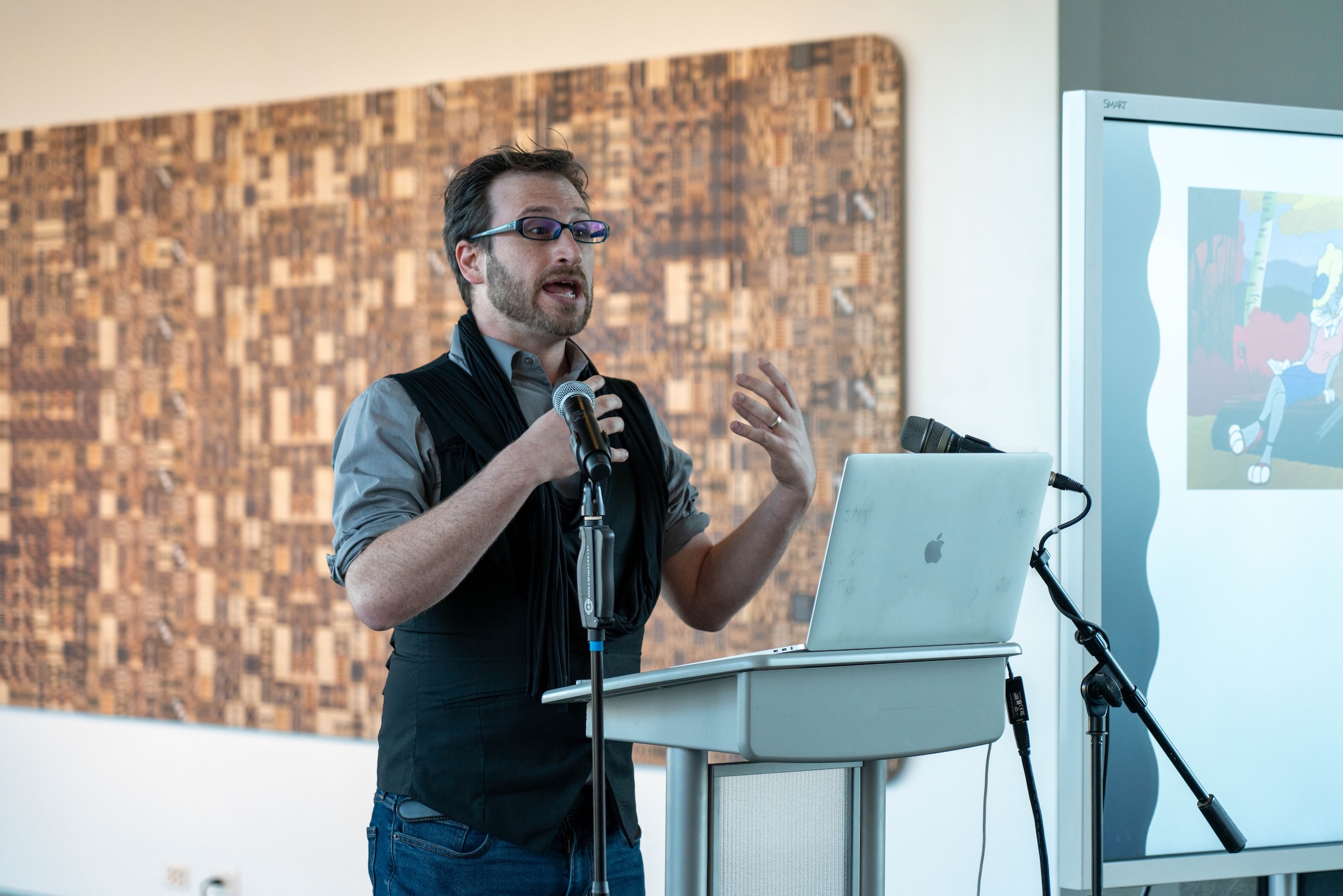
“We wanted to think about animation history as something truly global,” said Jeremy Speed-Schwartz, Assistant Professor in the School of Art and Design at Kennesaw State University's Robert S. Geer Family College of the Arts. “Much of what people think they know about animation has been shaped by the companies that survived to tell their own stories. We wanted to broaden that conversation to include the artists, industries, and cultures that have too often been overlooked.”
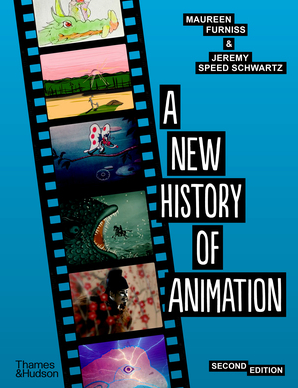
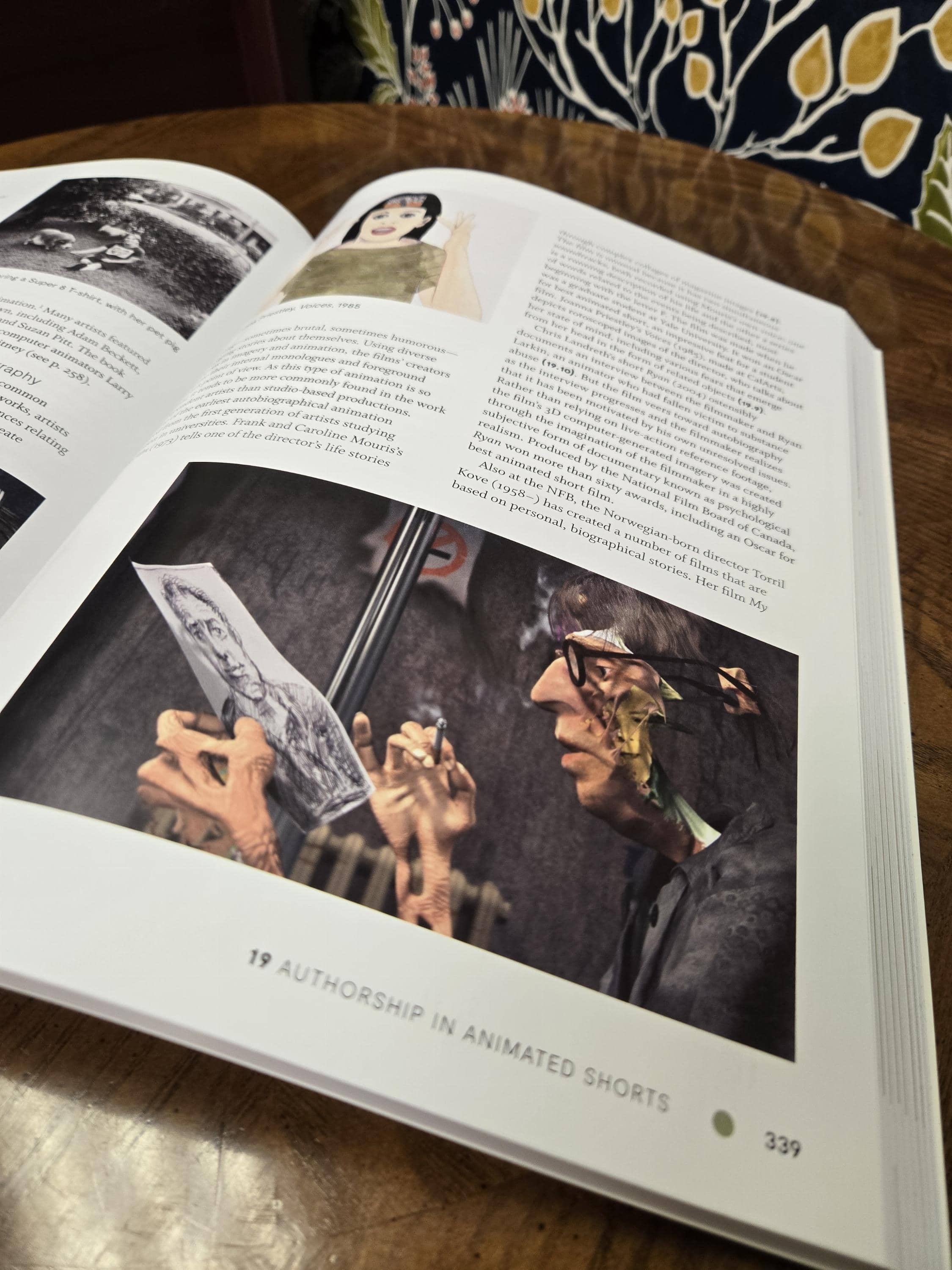
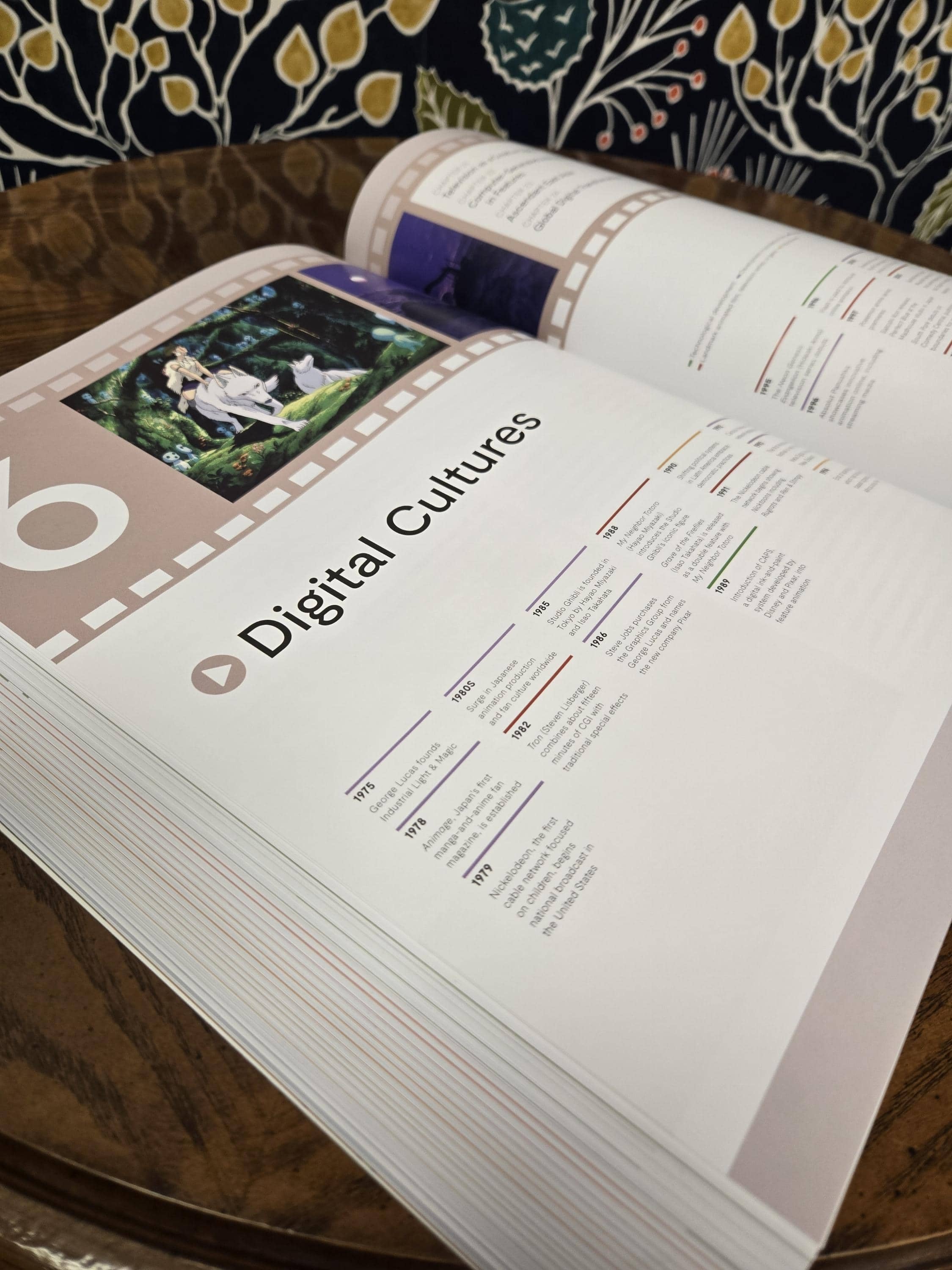
Speed-Schwartz co-authored the newly released second edition alongside renowned animation scholar Dr. Maureen Furniss. Published by W. W. Norton & Company, the comprehensive volume offers a thoroughly revised examination of animation history that reaches far beyond the traditional studio-centered narratives that have long dominated the field.
The project represents nearly five years of research, writing, and collaboration. Rather than simply updating dates and technologies, Speed-Schwartz and Furniss reconsidered how animation history is presented, expanding coverage of East Asia, South Asia, Africa, Eastern Europe, and Latin America while examining how political systems, economics, and culture have shaped animation industries around the world.
The new edition also reflects the rapidly evolving nature of the medium itself. Alongside expanded discussions of digital production, video games, virtual and augmented reality, and artificial intelligence, the text explores how animation intersects with broader social issues including race, gender, labor movements, and LGBTQ+ representation.
For Speed-Schwartz, those additions reflect a simple reality: animation is far more than entertainment.
“Animation has often been treated as something separate from serious art or film history,” he said. “But it's one of the defining visual languages of modern culture. Television, games, visual effects, independent filmmaking — they all deserve to be part of the story.”
One of the book's most distinctive contributions is its attention to regions and traditions that have historically received little scholarly attention. Chapters devoted to Chinese, Indian, and Japanese animation, along with expanded treatment of animation industries across dozens of countries, provide students with new pathways for research and a richer understanding of the field's global development.
The book also highlights the work of women, Black, Latinx, Asian American, and LGBTQ+ animators whose contributions have often been underrepresented in previous histories, reflecting the increasingly diverse voices that have shaped – and continue to shape – the industry.
Beyond the scholarship itself, Speed-Schwartz participated extensively in selecting and verifying hundreds of illustrations that accompany the text, ensuring the visual materials met the same scholarly standards expected in art history.
“Images aren't just decoration,” he said. “They're historical documents. We wanted readers to experience animation history with the same level of accuracy and care that you'd expect from any major work of art history.”
As animation continues to evolve through emerging technologies, Speed-Schwartz acknowledges
that documenting its history is an ongoing process.
“History is always changing because our understanding changes,” he said. “Every new generation asks different questions, uncovers new stories, and finds voices that deserve to be heard.”
A New History of Animation (Second Edition) is available through W. W. Norton & Company and major booksellers. Designed for university courses while accessible to anyone interested in animation, the volume serves as one of the most comprehensive global histories of the medium available today.

A Vision Realized: The Enduring Legacy of Emily Bourne Grigsby and Athos Menaboni
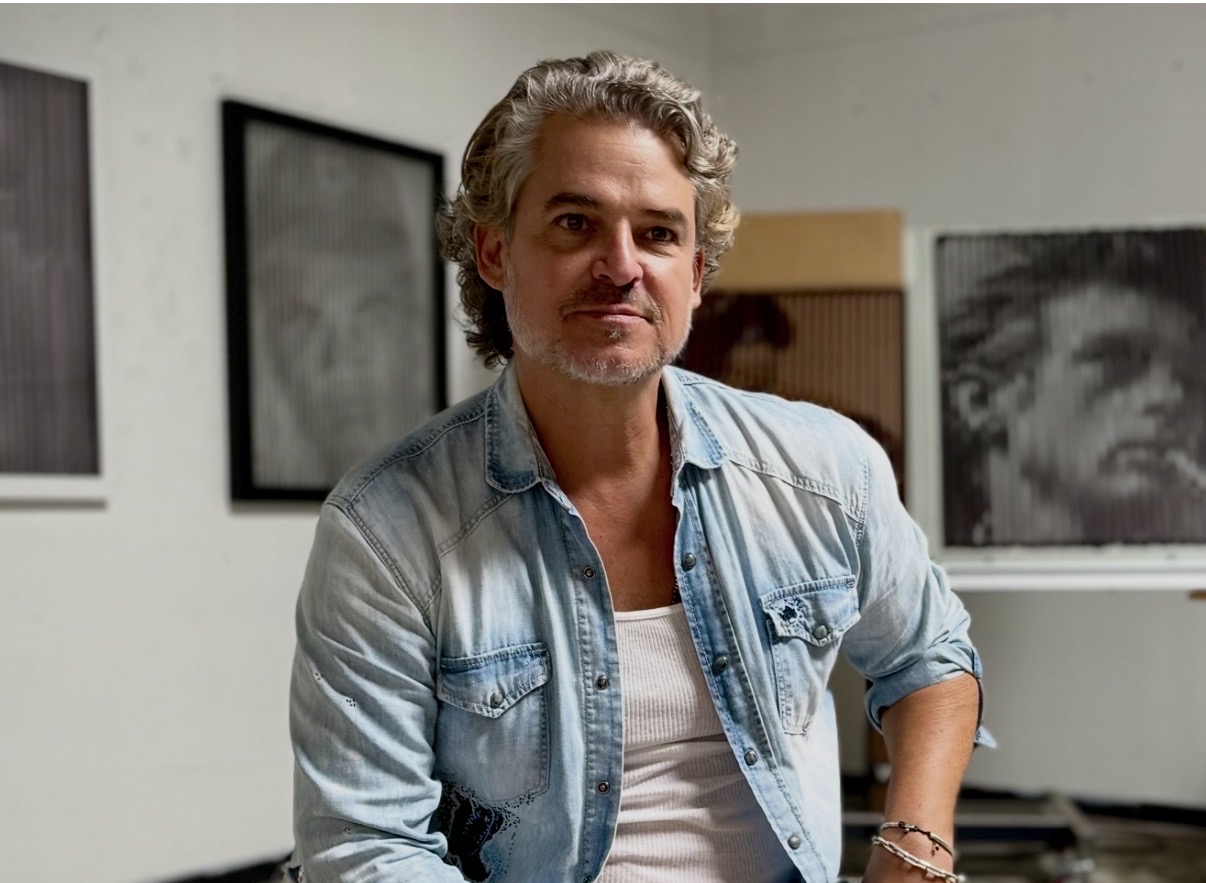
KSU Alumnus Michael Kalish Returns to Atlanta After 35 Years to Unveil "Reel Portraits" Exhibition

Where Reality Gives Way to Imagination: "Branches Etched Across the Sky" Comes to KSU
$500,000 Gift from Dr. Audrey Morgan honors KSU Provost - Dr. Ivan Pulinkala